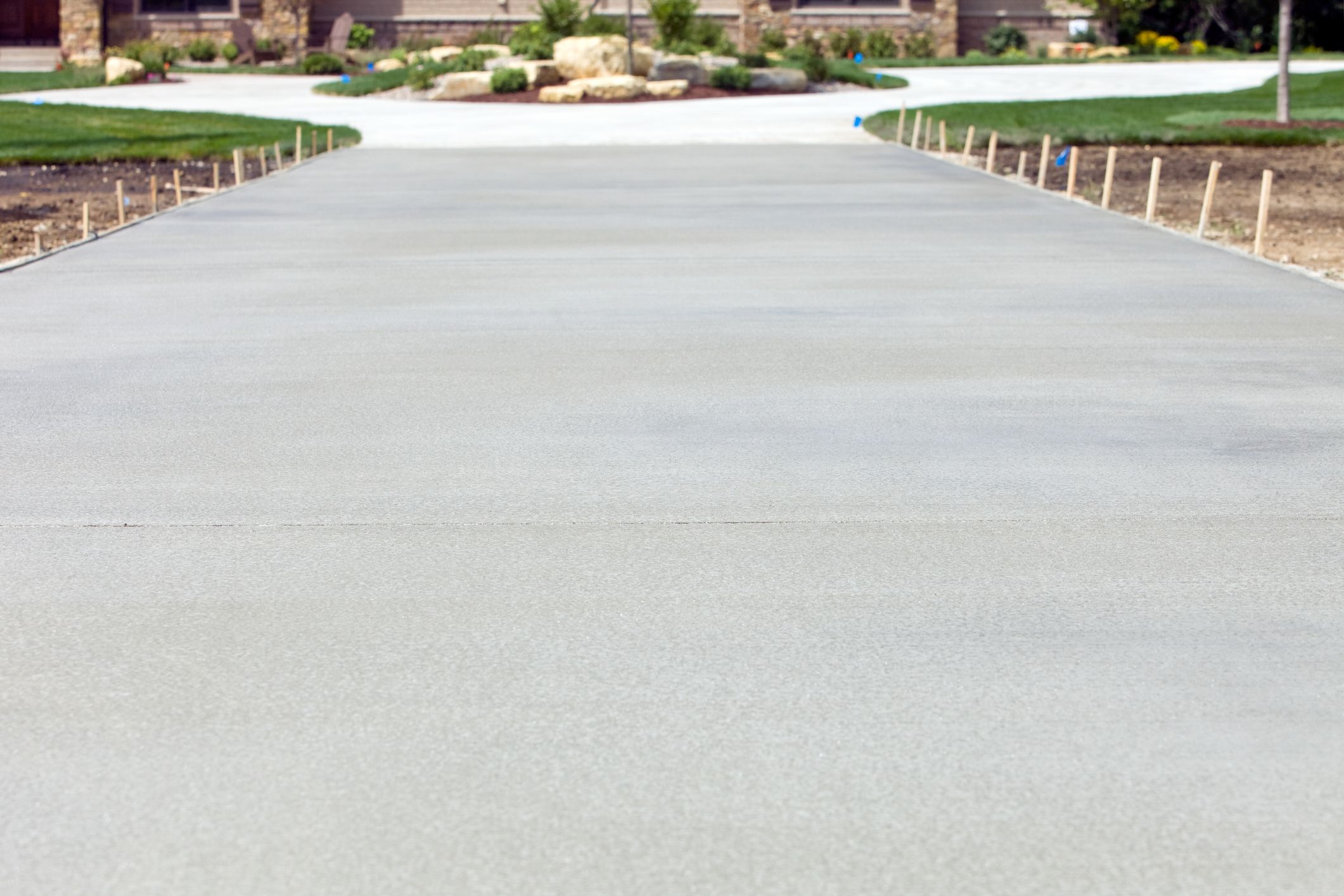
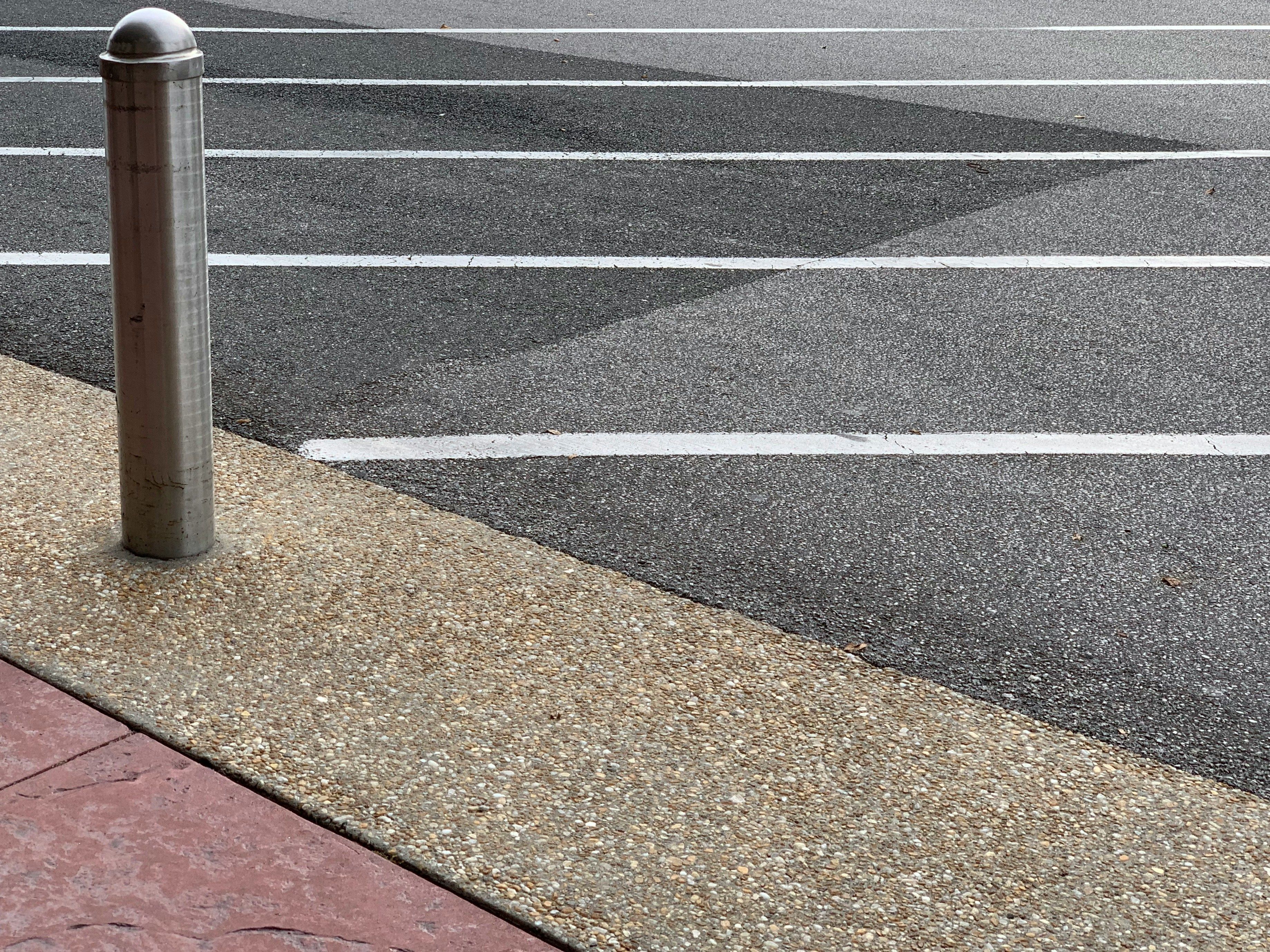
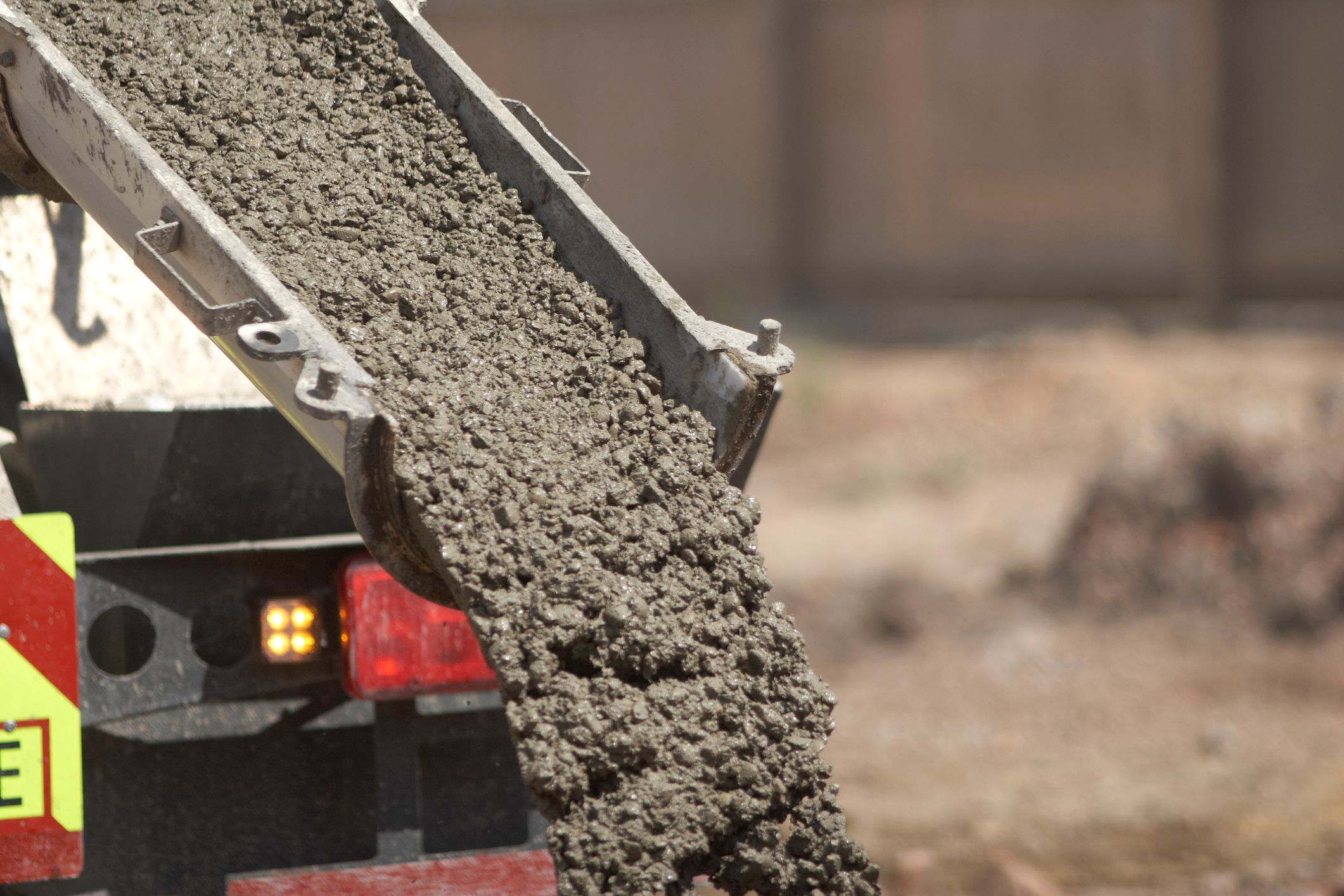
Every customer, employee and visitor who comes to your property travels across concrete before they reach your door. For most people, that walk is easy. For someone using a wheelchair, a walker or a cane, a steep ramp, a cracked slab or a raised edge can turn a short trip into a real barrier, or even a fall.
That is why ADA compliant concrete sidewalks and ramps matter so much for commercial properties. They make your business accessible to everyone, help you meet federal accessibility requirements and reduce the risk of injury claims caused by trip hazards. In this guide, we explain what accessible concrete looks like, the most common problems we see on Missouri properties, and how to repair or rebuild sidewalks and ramps so they stay safe through years of Missouri weather.
Why Accessibility Matters for Commercial Concrete
The Americans with Disabilities Act requires businesses that serve the public, along with many other commercial facilities, to provide accessible routes for people with disabilities. That route typically runs from accessible parking spaces and public sidewalks to building entrances, and it often includes sidewalks, curb ramps, entrance ramps and landings made of concrete.
When these surfaces are too steep, uneven or damaged, they can block access entirely. Property owners may face complaints, demand letters or lawsuits, and accessibility issues are a common target in commercial property claims. Beyond legal risk, an accessible property is simply better for business. It welcomes older customers, parents with strollers, delivery drivers with carts and anyone recovering from an injury.
Accessibility also overlaps with general safety. A sidewalk that is safe for a wheelchair user is safer for everyone, and reducing trip hazards lowers the chance of slip and fall injuries on your property.
What Defines ADA Compliant Concrete Sidewalks and Ramps
Accessibility standards set specific requirements for slope, width, surface and transitions. The exact rules that apply to your site depend on the type of property, when it was built or altered, and whether the work is on private property or in the public right of way. Always confirm requirements with your designer, local building department and the current ADA Standards for Accessible Design before construction.
That said, a few principles shape nearly every accessible concrete project.
Running slope. Accessible routes must be gently sloped. Under the ADA Standards, a walking surface steeper than 1:20 is treated as a ramp, and ramps generally cannot be steeper than 1:12, meaning one inch of rise for every twelve inches of length. Ramps that exceed certain heights also need landings and handrails.
Cross slope. The side to side slope of a sidewalk or ramp must be minimal, generally no more than 1:48. Excessive cross slope makes wheelchairs pull toward one side and is one of the most common problems on older sidewalks.
Firm, stable and slip resistant surfaces. Concrete is an excellent material for accessible routes because it provides a firm, stable surface. A broom finish adds traction, which is especially important during wet and icy Missouri weather.
Smooth transitions. Changes in level between slabs, at curbs and at doorways must be very small. Raised edges, gaps and heaved panels can stop a wheelchair or catch a foot.
Clear width and landings. Sidewalks and ramps need enough width for people to pass, and landings at the top and bottom of ramps give users room to rest, turn and open doors.
Curb ramps and detectable warnings. Where accessible routes cross curbs, curb ramps provide a smooth transition. Many curb ramps, especially in public areas, also include detectable warning surfaces with raised domes that alert people with visual impairments to the edge of a street or vehicle area.
Common ADA Problems on Missouri Commercial Properties
Many older properties were built before current standards or have simply deteriorated over time. These are the issues we see most often.
Heaved and settled slabs. Tree roots, poor base preparation and Missouri's freeze thaw cycles can push sidewalk panels up or let them sink. Even a small vertical difference between slabs can become a trip hazard and an accessibility barrier.
Cracking and spalling. Cracks widen over time, and surface spalling from deicing salts and freezing water creates rough, uneven areas. Our guide to freeze thaw resistant commercial concrete in Missouri explains how the right mix and finishing reduce this damage.
Ramps that are too steep. Ramps added years ago are often steeper than allowed or lack proper landings and handrails.
Excessive cross slope. Sidewalks that tilt too much toward a parking lot or drainage area are hard to navigate in a wheelchair.
Poor drainage. Water that ponds on sidewalks and ramps freezes in winter, creating dangerous ice patches right where people walk.
Missing or worn curb ramps. Some properties have curbs between accessible parking and the building with no compliant ramp at all.
Repair, Grind or Replace?
Not every accessibility issue requires tearing out an entire sidewalk. The right fix depends on the type and extent of the damage.
Minor vertical edges can sometimes be corrected by grinding the raised edge down to create a smooth transition. Small cracks can be cleaned and sealed to slow further damage. Settled slabs may sometimes be lifted back into place, depending on their condition and the cause of the settlement.
However, when slabs are badly cracked, heavily spalled, sloped incorrectly or repeatedly heaving, full removal and replacement is usually the better long term solution. Replacement also gives you the chance to correct slopes, widen routes and add proper landings and curb ramps. Timing matters as well. Concrete work in Missouri is easiest to schedule in spring and fall, when moderate temperatures support proper curing. Planning repairs before winter also removes trip hazards before snow and ice make them harder to see. Our article on commercial concrete repair and restoration in Missouri explains how contractors decide between repair and replacement.
Building Accessible Concrete That Lasts in Missouri
A compliant sidewalk is only valuable if it stays compliant. Missouri's climate puts concrete through freezing winters, heavy rain and hot summers, so durability has to be part of the design from the start.
Solid site preparation. Most sidewalk failures begin below the surface. A well compacted, properly graded base prevents settlement and heaving. Learn more in our guide to commercial concrete site preparation in Missouri.
The right concrete mix. Air entrained concrete helps resist freeze thaw damage, and a mix designed for exterior traffic holds up better over time. See our article on choosing the right concrete mix for high traffic commercial environments.
Well planned joints. Control joints guide where cracks form so they stay straight and manageable instead of spreading across the walking surface. Our guide on control joints and crack prevention in commercial concrete covers why joint placement matters.
Proper curing. Concrete that cures correctly gains the strength and surface durability needed to resist salt and freezing. Read more in our article on concrete curing methods for strength and durability in Missouri.
Good drainage design. Sidewalks and ramps should shed water without excessive cross slope, which requires careful grading during design and installation.
Connecting Parking, Sidewalks and Entrances
Accessible routes work as a complete system. The accessible parking space, the access aisle, the curb ramp, the sidewalk and the entrance landing all need to connect smoothly. A perfectly built ramp does little good if the parking area next to it has broken pavement or a steep transition.
That is why it often makes sense to plan sidewalk and ramp improvements together with parking lot work. Our guide to concrete parking lots and driveways for Missouri commercial properties explains how to design pavement that supports safe, accessible routes. For larger walkway and plaza areas, see our overview of commercial concrete slabs and flatwork in Missouri.
Keep Your Accessible Routes in Good Condition
Even well built concrete needs regular attention. Walk your property at least seasonally and look for new cracks, raised edges, worn surfaces, ponding water and damaged curb ramps. Address small problems quickly, before they grow into trip hazards or accessibility barriers.
During winter, choose deicing products carefully, since some chemicals can damage concrete surfaces, especially newer pours. Keep ramps and accessible routes clear of snow and ice, and never pile plowed snow in accessible parking spaces or on curb ramps. For a full maintenance plan, see our commercial concrete maintenance guide for Missouri.
Make Your Property Safe and Accessible
ADA compliant concrete sidewalks and ramps protect your visitors, your employees and your business. By correcting steep slopes, uneven slabs and missing curb ramps, and by building with the right base, mix, joints and drainage, you create accessible routes that stay safe through every Missouri season.
Missouri Concrete helps property owners and managers across the state assess, repair and build accessible concrete walkways, ramps and entrances. We serve commercial properties in St. Louis, Kansas City, Springfield and Columbia, along with communities throughout Missouri.