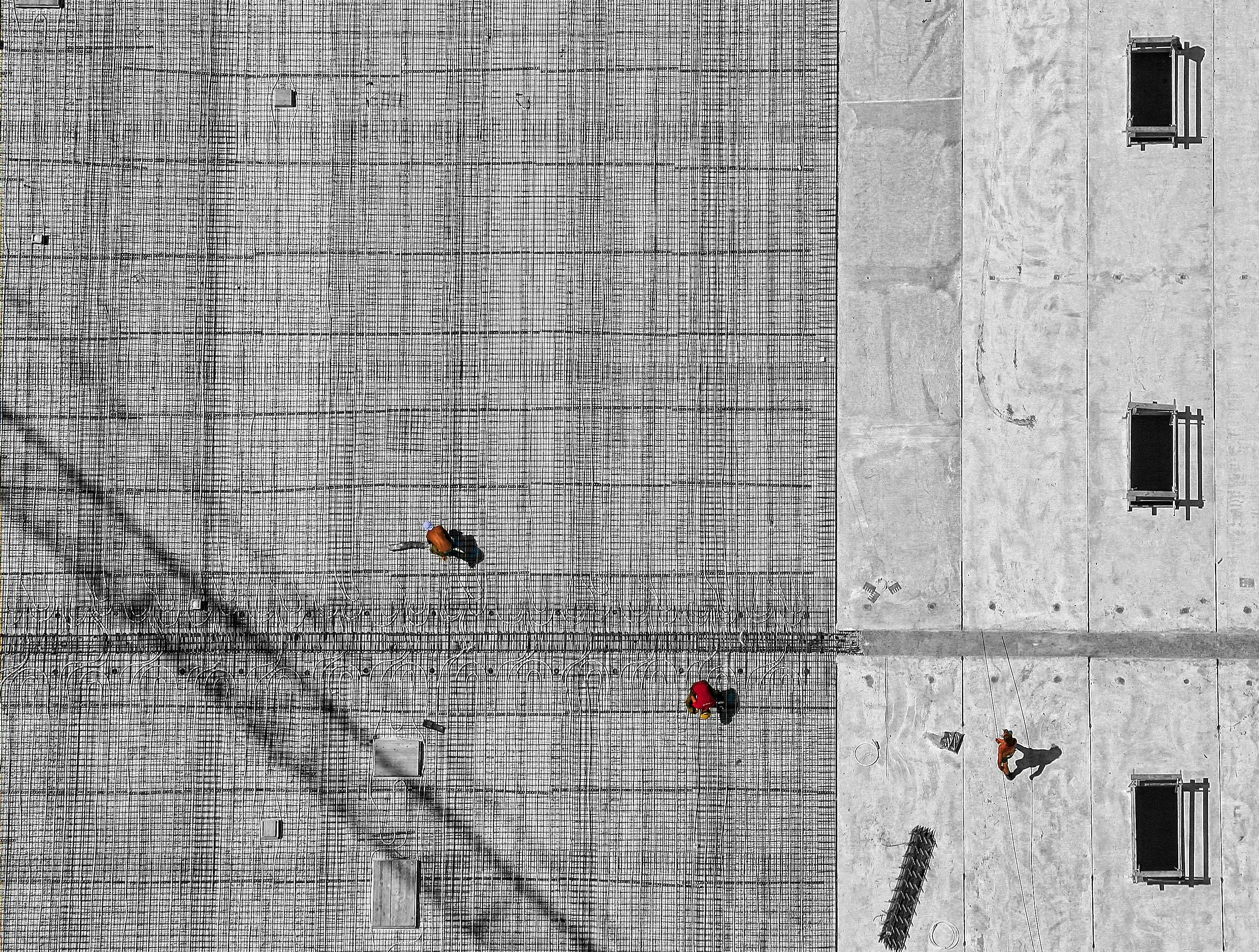
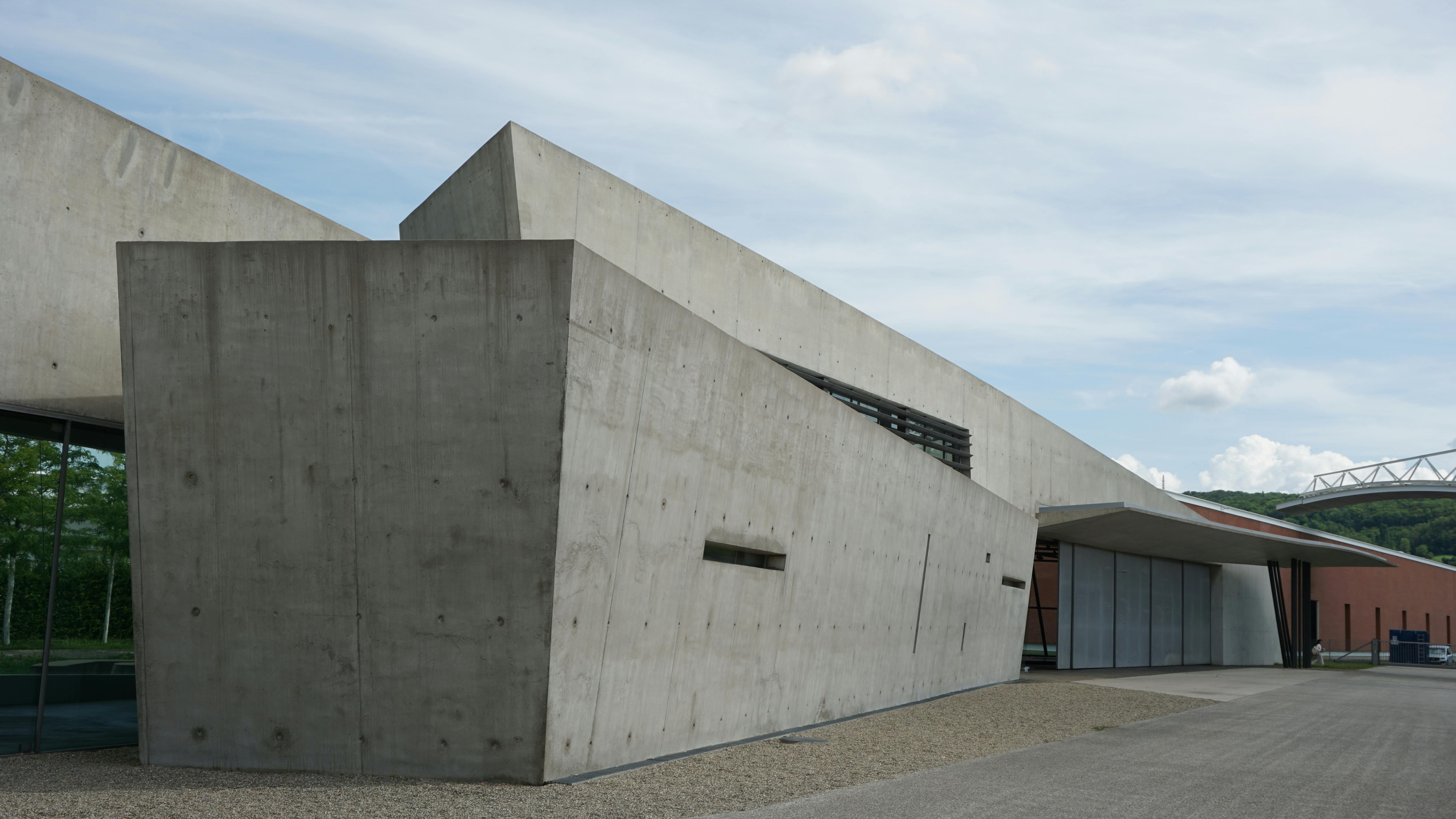
Site preparation and mix design get considerable attention on any commercial concrete project, and both genuinely deserve it. How concrete actually cures once it's placed determines whether all that careful upfront work translates into the strength and durability a project actually needs, and curing gets treated as an afterthought far more often than a decision this consequential should ever allow on a commercial project.
What Curing Actually Accomplishes
Concrete strength develops through hydration, an ongoing chemical reaction between cement and water that continues for weeks after initial placement, not a process that stops once concrete visually appears hardened. Curing exists specifically to maintain adequate moisture and temperature conditions long enough for this hydration process to continue properly, since concrete that dries out too quickly or experiences temperature extremes during this critical period never fully develops the strength its mix design was actually engineered to achieve. Concrete that looks completely finished at the surface can still be significantly under-strength internally if curing was cut short or managed poorly, a gap that often doesn't reveal itself until the concrete faces real structural or environmental stress well after the project has already moved on.
Wet Curing Methods
Wet curing keeps concrete surfaces continuously moist through direct water application, commonly through ponding on flat surfaces, wet burlap or fabric coverings, or periodic sprinkling maintained consistently over the curing period. This method generally produces the strongest, most reliable curing results since it directly addresses moisture retention rather than relying on a barrier method to slow moisture loss. The tradeoff is labor and monitoring intensity, since wet curing requires sustained attention to keep surfaces properly moist throughout the curing window rather than a single application that then requires no further intervention.
Curing Compounds: A More Practical Choice for Many Projects
Curing compounds form a membrane over the concrete surface once applied, slowing moisture evaporation without requiring the ongoing water application wet curing demands. This makes curing compounds considerably more practical for larger pours or projects where sustained wet curing labor isn't realistic, though the tradeoff runs the other direction from wet curing's advantages. A properly applied curing compound performs well, but application quality matters directly here, since incomplete or uneven coverage leaves portions of a slab without the protection the compound is meant to provide, creating exactly the kind of localized under-cured area that can develop into a durability problem specific to that section.
Why Cutting Curing Time Short Undermines Everything Before It
A common and costly mistake treats concrete as finished once it's hard enough to walk on or support light traffic, moving forward with subsequent construction phases before the curing period has actually run its full, intended course. Concrete strength continues developing well beyond the point where it can support foot traffic, and cutting curing time short locks in a lower ultimate strength than the mix design was actually capable of delivering, regardless of how much careful attention went into site preparation and mix selection before placement. This is exactly why curing deserves the same disciplined scheduling given to other project phases, rather than being treated as flexible or negotiable once a project falls behind schedule elsewhere.
Temperature Considerations Across Missouri's Seasonal Swings
Missouri's seasonal temperature range creates genuinely different curing challenges depending on when a pour actually happens. Hot weather accelerates surface moisture evaporation, and without proper curing intervention, this rapid moisture loss can outpace the hydration process, leaving concrete under-cured at the surface even when internal moisture conditions remain more favorable. Cold weather slows hydration considerably, meaning curing periods may need meaningful extension beyond a standard warm-weather timeline to allow the same strength development to actually occur, and concrete poured too close to freezing conditions without proper protection can suffer permanent strength loss if hydration is disrupted by freezing before it has progressed far enough. Matching curing method and duration to the actual season and weather conditions a specific pour faces, rather than applying a fixed, one-size-fits-all curing schedule regardless of temperature, protects against both of these seasonal failure modes.
Why Site Preparation Alone Isn't Enough
Our article on proper concrete site preparation and structural performance covers how subgrade quality and compaction directly affect a slab's long-term performance, and curing represents the equally important second half of that same performance equation. A perfectly prepared subgrade supporting concrete that never fully develops its intended strength due to inadequate curing still produces a compromised final result, since site preparation and curing both need to be executed correctly for a project to actually achieve the durability its design was meant to deliver. Neither phase can fully compensate for a failure in the other.
Curing and Foundation Strength
Our guide on commercial concrete foundations in Missouri and our article on 5 key benefits of choosing commercial concrete foundations both speak to the durability and load-bearing performance commercial concrete foundations are capable of delivering, and that capability depends directly on curing being managed properly during construction. A foundation poured with an excellent mix design and properly prepared subgrade still falls short of its intended performance if curing was rushed or poorly executed, which means curing deserves explicit attention in any conversation about what actually makes a commercial foundation genuinely durable over its full service life.
Curing Considerations for Large Warehouse Floor Pours
Our guide on commercial concrete flooring for warehouses covers the specific demands warehouse floors face from constant traffic and heavy point loads, and curing quality matters enormously for this specific application given how much wear these floors need to withstand over years of active use. Large warehouse floor pours present real curing logistics challenges given their scale, and confirming a contractor has a genuine plan for maintaining consistent curing conditions across an entire large slab, not just a portion of it, protects against the kind of inconsistent curing that can leave certain sections of a large floor more vulnerable to wear and damage than others.
Common Curing Mistakes Worth Avoiding
A few recurring mistakes account for most preventable curing-related durability problems. Assuming concrete is fully cured once it can support foot traffic, without actually tracking curing progress against the specific timeline the mix design and conditions genuinely require, locks in reduced strength before anyone realizes a problem exists. Applying curing compound inconsistently, rushing coverage across a large slab without verifying every section actually received adequate application, leaves scattered weak points that may not become apparent until the floor has already been in service for some time. Ignoring seasonal adjustment, running the same curing schedule in December that worked fine the previous July, disregards how dramatically temperature affects hydration rate and moisture retention across Missouri's actual seasonal range.
Avoiding these mistakes costs relatively little compared to the cost of addressing a durability problem that traces directly back to inadequate curing discovered only after concrete has already been placed and put into service.
Questions Worth Asking Your Concrete Contractor
A few direct questions help confirm a contractor is treating curing with the attention it actually deserves. What specific curing method do they plan to use for your project, and how does that choice account for the season and weather conditions your pour will actually face? How long do they plan to maintain curing conditions before allowing full traffic or subsequent construction phases to proceed? And if curing compound application is the planned method, how do they confirm complete, even coverage across the full slab rather than assuming uniform application without any verification.
Getting clear, specific answers to these questions, rather than a general assurance that curing will be handled properly, gives you real confidence that this often-overlooked phase is actually receiving the deliberate attention your project's long-term durability depends on.
Final Thoughts
Concrete curing determines whether careful site preparation and mix design actually translate into the strength and durability a project needs, and treating this phase as an afterthought undermines everything done correctly before it. Matching curing method and duration to your project's actual scale and Missouri's seasonal conditions, rather than applying a fixed schedule regardless of circumstances, protects the real performance a concrete investment is meant to deliver over its full service life, not just how it looks and performs in the weeks immediately following placement. Getting curing right the first time costs far less than discovering years later that it was never done properly at all.