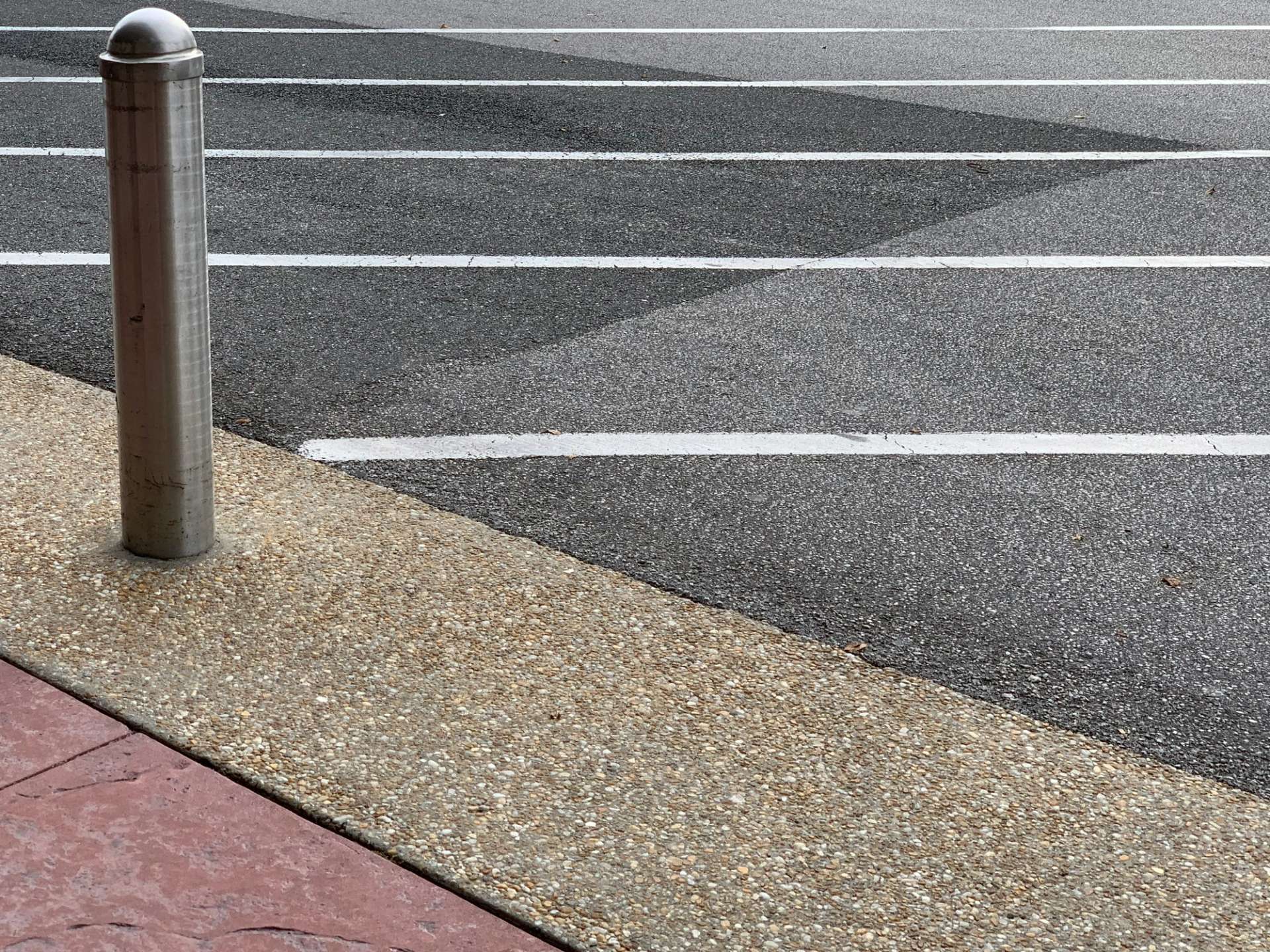
Concrete resurfacing vs replacement is the choice between bonding a new wear layer onto a sound slab and removing the slab down to the base for a new pour. If damage is limited to the top layer and the concrete below is sound and level, resurfacing may be an option. If the slab has moved, cracked through its full depth, or lost support from the ground beneath it, a new pour is the honest answer.
The guide below covers the signs for each option, a short inspection, and how to compare costs. For a wider view of how slabs age and when to budget for work, our guide to concrete lifecycle planning and durability costs is a useful companion.
Key Takeaways
- Surface wear, scaling and light, stable cracking point toward resurfacing.
- Settlement, cracks through the full depth and a failed base point toward replacement.
- An overlay restores the running surface. It does not add structural strength.
- Inspect and document the slab before asking anyone to price the work.
When Is Resurfacing Enough for Commercial Concrete?
Resurfacing works when the problem is shallow and the structure underneath is still doing its job. A concrete overlay is a thin layer of new material bonded to the old slab. It restores the running surface, but it adds no structural strength.
These conditions usually point toward an overlay:
- Shallow surface scaling, where the top skin has flaked away and exposed the sand and stone beneath.
- Worn, polished or dusting floors in a warehouse where forklift traffic has ground down the finish.
- Fine, hairline cracks that are stable, with no height difference between the two sides.
- Light spalling around control joints, the grooves cut into a slab to steer cracking.
- Stains, tire marks or an uneven appearance you want to correct before a tenant moves in.
Knowing when to resurface concrete also means knowing what an overlay will not hide. If cracks keep opening season after season, that movement will come through the new layer. Fix the cause first, then resurface. Our commercial concrete repair and restoration guide gives a wider view of repair and restoration work.
When Does a Slab Need Full Replacement?
Replacement is the right call when the slab itself, or the ground under it, has failed. No surface treatment repairs a problem that starts below.
Settlement and Uneven Sections
Slab settlement shows up as sections sitting lower than their neighbors, trip edges at joints, or water pooling where it used to drain. It can indicate a problem beneath the slab that needs assessment before resurfacing or replacement is priced.
Deep Cracking Through the Slab
Wide cracks that run through the full depth, branch into a map pattern, or show faulting where one side has dropped tell you the slab no longer acts as one piece. Loose, rocking panels under traffic point the same way. An overlay bonded to broken pieces breaks along the same lines.
Base Failure and Heavy Deterioration
Base failure is often visible at the edges: pumping, where muddy water sprays out of joints when a truck passes, or crumbling perimeters. Deep deterioration counts too. Where the concrete has weakened well below the surface, little sound material is left for an overlay to grip. Exposed, corroding reinforcement is another signal.
How Do You Inspect a Slab Before Deciding?
A documented walkthrough gathers useful information before you request quotes. Work through this slab inspection checklist in order and write down what you find.
- Measure and map each crack, including where it starts, stops, branches or crosses a joint.
- Lay a straightedge across each crack and joint. Any lip you can feel with your foot suggests movement, not just shrinkage.
- Sound the slab by dragging a chain or tapping with a hammer. A hollow or dull sound can justify a closer assessment of the material below.
- Judge the depth of damage. Scrape a scaled area. If sound concrete appears quickly, it is shallow. If the material stays soft and sandy, the problem runs deeper.
- Watch the water. After rain, note where puddles form and whether joints pump water or fines when a loaded truck crosses.
- Shade a site plan to show how much of the area is affected. Scattered trouble spots and a failing whole lot lead to different plans.
- Photograph and date everything, then repeat later. Damage that grows is active.
If most of your notes describe the top layer, you are likely in overlay territory. If they describe movement, voids or cracks through the slab, plan for replacement. A contractor can confirm the picture where the answer is unclear.
What Prep Does a Concrete Overlay Need?
Preparation decides whether an overlay lasts. The new layer has to bond to clean, sound concrete, so the old surface is opened up rather than simply washed. Typical steps include shot blasting or grinding to create a rough profile, removing unsound concrete back to solid material, cleaning out oil and curing compounds, and carrying existing control joints through the new layer.
Moisture conditions can also affect overlay preparation, so ask the contractor what site checks are needed first. Plan for downtime as well. The area must stay clear during prep, placement and curing, and traffic timing depends on the product used and site conditions.
How Do You Compare Resurfacing and Replacement Costs?
Compare total cost of ownership, not just the quoted price per square foot. Resurfacing usually costs less at the start because it reuses the existing slab and avoids demolition and disposal. Replacement can involve demolition and may include base repairs when inspection shows they are needed. The deciding question is how many years each option buys you on this particular slab.
When you weigh a concrete overlay vs replace decision, put these factors side by side.
| Factor | Resurfacing | Replacement |
|---|---|---|
| Fixes | Surface wear, scaling, light cracking | Settlement, deep cracks, failed base |
| Starting cost | Lower; no demolition or hauling | Higher; includes removal |
| Downtime | Usually shorter; often staged by zone | Longer; area closed through curing |
| Structural gain | None; relies on the existing slab | Rebuilds the failed area; base work depends on scope |
| Main risk | Early failure if the slab below moves | Larger budget and more disruption |
Here is a simple way to test the math. Take the quoted price of each option, divide it by the years you can reasonably expect from it, and add the cost of lost use during the work. Two overlays plus a later replacement can cost more than one correct pour now. Ask every bidder to state the slab condition their price assumes. If you are weighing this against targeted patching, compare it with scheduled commercial concrete repair services first.
Frequently Asked Questions
Lifespan depends on the slab below, the product used, the quality of prep and the traffic it carries. A well prepared overlay on a sound slab serves for years. One placed over moving or deteriorated concrete can fail quickly. Ask for an expected service life in writing.
Yes, if the cracks are narrow, stable and show no height difference across them. They are repaired first, then covered. Cracks that are still widening, show faulting, or sit above settled ground need the underlying cause fixed before any overlay goes down.
Resurfacing generally costs less at the start because it reuses the slab and skips demolition and disposal. It is only the cheaper choice overall when the existing concrete is structurally sound. On a failing slab, an overlay is money spent twice, since replacement still follows.
Check exterior slabs for both surface scaling and settlement. Shallow scaling may be a resurfacing candidate. Settlement calls for assessment of the slab and the support beneath it, so do not assume the problem is only skin deep until you have looked.
In some cases a project team may replace failed areas and resurface sound surrounding concrete. The inspection should determine whether the remaining slab can support an overlay. Mapping the extent of damage is what makes such a hybrid plan possible to price.
Making the Concrete Resurfacing vs Replacement Call
The concrete resurfacing vs replacement decision comes down to one question: is the damage on the slab, or in it? Shallow wear, scaling and tight hairline cracks point to an overlay. Settlement, cracking through the full depth, pumping joints and a failed base point to a new pour. Run the inspection first, document what you see, and ask every bidder which condition their price assumes.
Missouri Concrete is a commercial concrete contractor based in Springfield, working with owners, property managers and general contractors across Missouri on slabs, parking lots, floors and repairs. To discuss your slab and request a quote, visit Missouri Concrete.