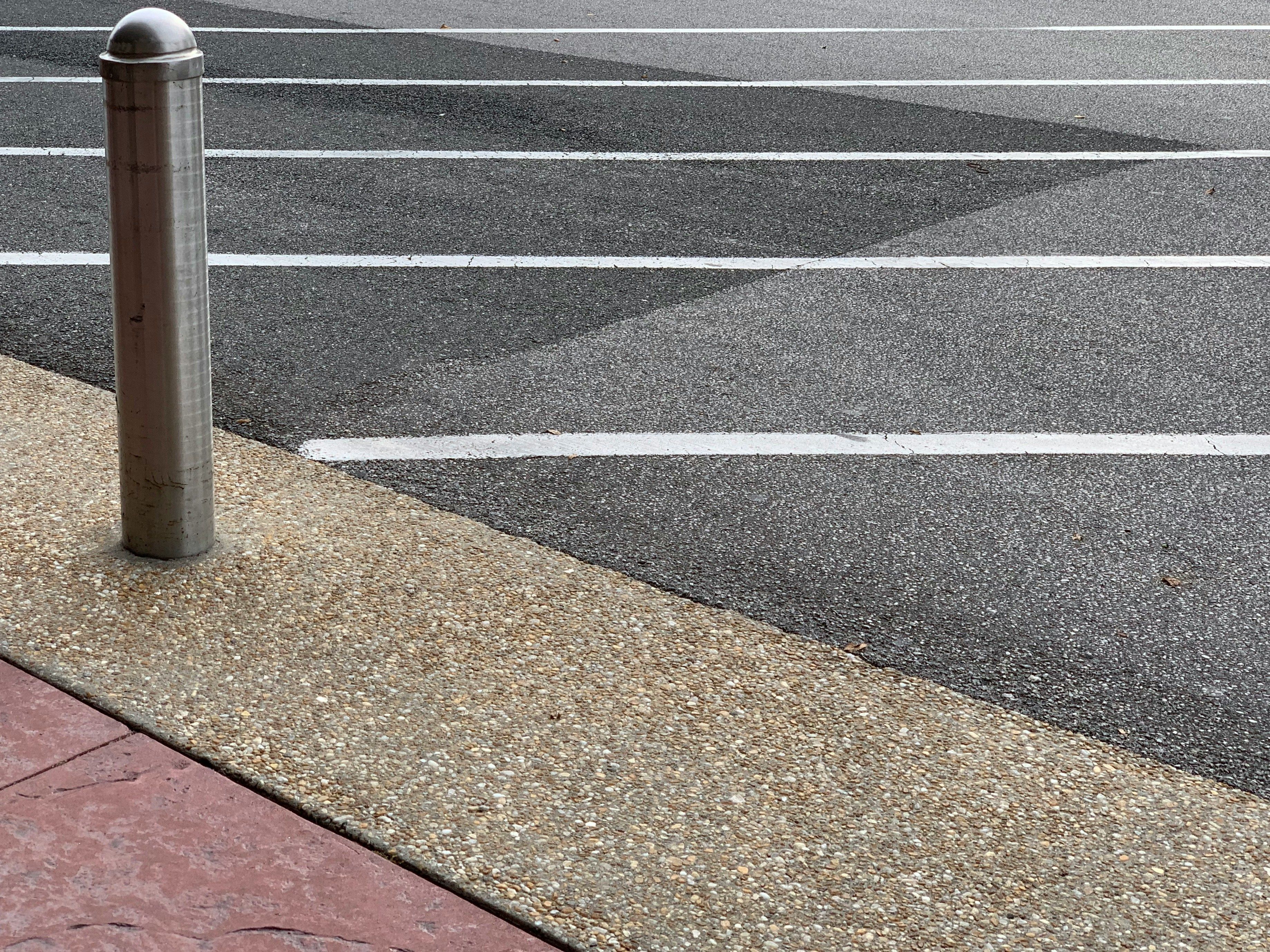
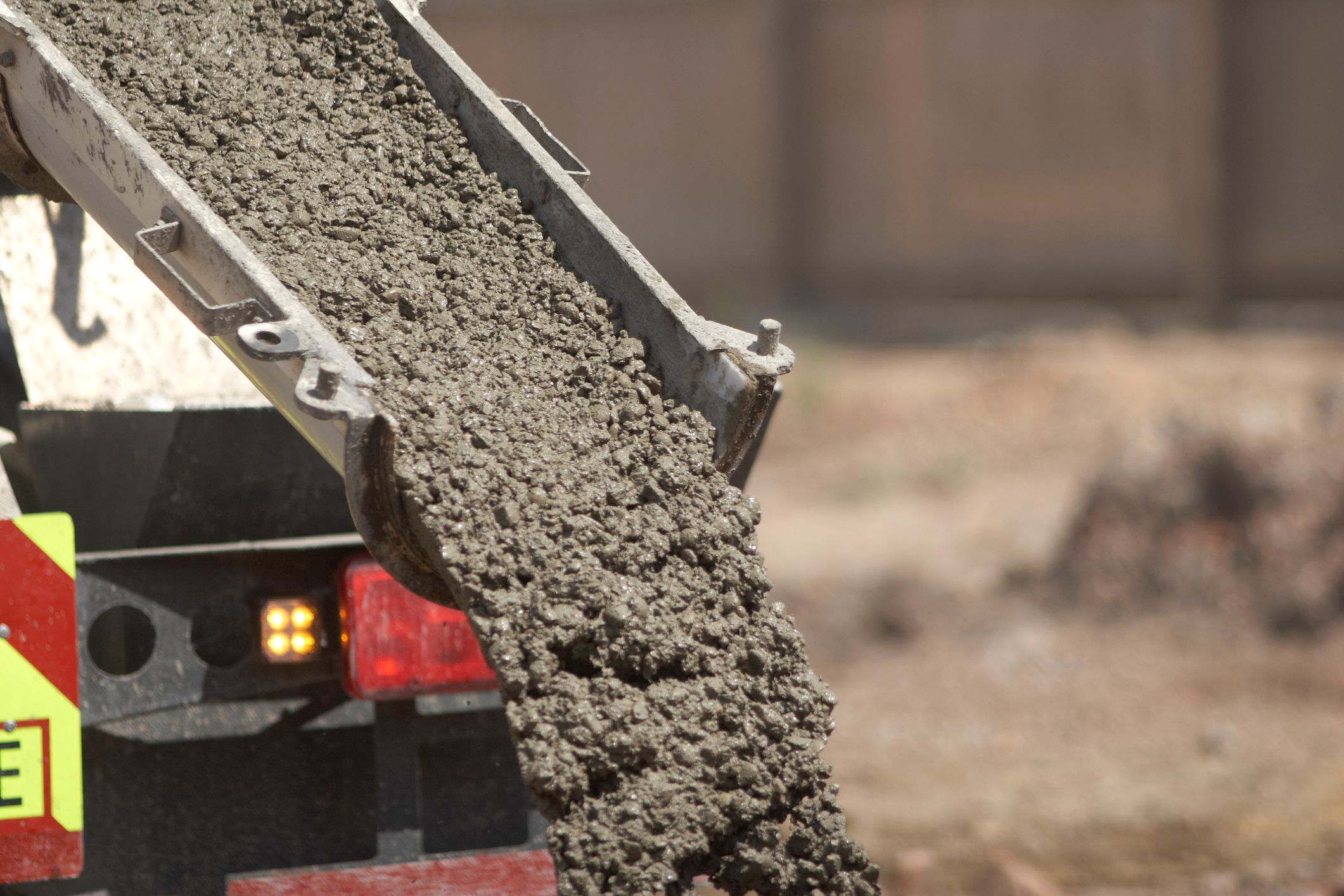
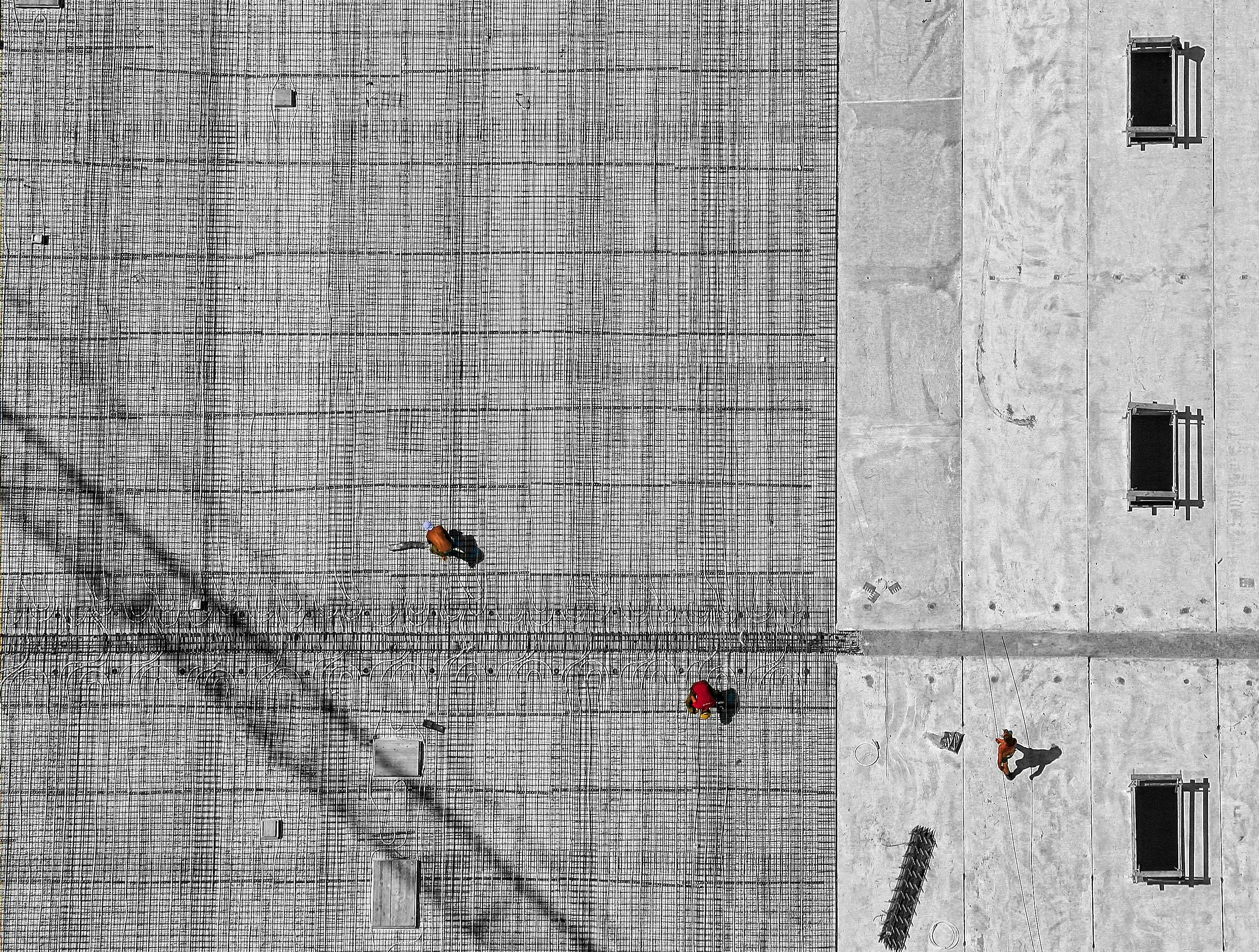
Parking lots and driveways often get treated as an afterthought in commercial construction planning, a surface to finish once the building itself is done, rather than a distinct concrete application with its own real design requirements. In practice, a commercial parking lot faces different loading, drainage, and durability demands than a building's foundation, and getting those specifics right upfront determines whether that pavement holds up for decades or starts showing cracks and drainage problems within just a few years.
This article covers why concrete makes sense for commercial parking areas and driveways, the design considerations that actually matter, and what property owners should expect from a well-built commercial concrete pavement system.
Why Concrete for Commercial Parking Areas
Asphalt remains common for commercial parking lots, largely due to lower upfront cost, but concrete offers real advantages that matter more over a property's full lifespan. Concrete pavement typically lasts considerably longer than asphalt before needing major repair or replacement, and it holds up better under the kind of heavy, repeated loading that commercial properties see from delivery trucks, waste collection vehicles, and regular customer or tenant traffic. Concrete also requires less routine maintenance than asphalt, which needs periodic sealcoating to protect its surface, an ongoing cost that concrete pavement largely avoids.
For property owners evaluating total cost over a building's lifespan rather than just the initial construction bid, concrete's higher upfront cost is frequently offset by its lower long-term maintenance burden and longer service life before major replacement becomes necessary.
Designing for Actual Traffic Loads
Not all commercial parking areas face the same loading demands, and pavement thickness and reinforcement need to reflect what a specific area will actually carry. A standard customer parking area handling passenger vehicles has different structural requirements than a loading dock apron or drive lane that regularly sees delivery trucks and heavy equipment. Designing every paved surface on a property to the same specification, rather than matching thickness and reinforcement to actual traffic loads in each specific area, either wastes money on over-built areas that never see heavy loading or creates a real durability problem in areas under-built for the traffic they actually carry.
This same loading-based design thinking applies to building foundations as well. Our guide on commercial concrete foundations in Missouri covers how structural loading drives foundation design decisions, and the same principle, matching the concrete design to actual expected load rather than a generic standard, holds true for parking and drive areas just as much as it does for the building itself.
Drainage Design: Getting Water Moving in the Right Direction
Proper grading and slope across a parking lot or driveway is essential for moving water away from the pavement surface and toward appropriate drainage points, rather than allowing it to pool and sit. Standing water on a parking surface isn't just an inconvenience for tenants and customers; it accelerates pavement deterioration over time and, in Missouri's freeze-thaw climate specifically, creates real risk of ice formation during winter months that pooled water left unaddressed would otherwise produce.
Getting this drainage design right during the planning phase, rather than discovering pooling problems after a lot is already poured, is one of the most consequential decisions in commercial pavement design, and it's worth the extra planning attention before construction begins rather than treating drainage as a detail to work out later.
Joint Spacing for Large Paved Areas
Control joints, planned locations where cracking is directed to occur in a controlled way rather than randomly across the surface, need to be spaced appropriately for the scale of a parking lot or drive area, which is a different consideration than joint spacing on a building's foundation slab. Large, continuous paved areas without adequate joint planning are more prone to random, uncontrolled cracking as the concrete cures and responds to temperature and moisture changes over time.
Well-planned joint layout directs this natural cracking into locations that don't compromise the pavement's structural integrity or appearance, and it's a detail worth confirming is being handled deliberately during the design phase of any large commercial paving project rather than assumed to be handled uniformly by every contractor.
Decorative Options for Visible Areas
While the bulk of a commercial parking lot typically uses standard finished concrete, entryways, visitor parking areas, and other highly visible zones sometimes benefit from decorative treatment that reinforces a property's overall appearance and brand presentation. Our article on why stamped and decorative concrete is a smart investment for commercial properties covers how these finishes add value in commercial settings, and applying that same thinking selectively to entry drives or prominent parking areas, rather than the entire lot, can meaningfully improve a property's curb appeal without the cost of decorative treatment across every square foot of pavement.
Planning Around Missouri's Freeze-Thaw Climate
Beyond drainage design, Missouri's freeze-thaw climate affects parking lot and driveway concrete the same way it affects any other exterior concrete surface in the state, through repeated cycles of water infiltration, freezing expansion, and thawing that gradually stress the material over successive winters. Air-entrained concrete mix design, which introduces microscopic air pockets that give trapped water room to expand into as it freezes, matters just as much for pavement as it does for foundations, and it's worth confirming with your contractor that a paving project is specified with proper freeze-thaw resistance in mind rather than assuming every ready-mix concrete order automatically includes it.
De-icing salt exposure during winter months adds another layer of consideration specific to pavement, since salt accelerates surface wear and can affect joint sealant over time in ways that vertical foundation walls typically don't experience to the same degree. Choosing sealants and finishing techniques suited to this kind of exposure, and planning for periodic resealing as part of ongoing maintenance, helps a parking lot or driveway hold up through repeated winters without the kind of premature surface deterioration that under-specified pavement often shows within just a handful of seasons.
Weighing the Cost Difference Honestly
Concrete's higher upfront cost compared to asphalt is a real consideration, and it's worth evaluating honestly against the long-term value concrete pavement delivers. Our article on 5 key benefits of choosing commercial concrete foundations touches on the broader durability case for commercial concrete, and that same durability and reduced long-term maintenance burden applies directly to parking and drive areas, where a longer service life before major repair or replacement often justifies the higher initial investment over a property's full ownership timeline.
The Sustainability Angle
Concrete's lighter surface color reflects more solar heat than asphalt's dark surface absorbs, contributing to reduced urban heat island effect, a real consideration for larger commercial properties with extensive paved area. Our article on exploring the benefits of concrete for sustainable commercial construction covers this broader sustainability case, and it applies just as directly to parking lot and driveway decisions as it does to a building's structural concrete, particularly for property owners weighing environmental considerations alongside cost and durability in their paving decision.
Maintenance Expectations for Concrete Pavement
Concrete parking areas require meaningfully less routine maintenance than asphalt, without the periodic sealcoating asphalt needs to protect its surface from weather and UV exposure. That doesn't mean concrete pavement is maintenance-free. Joint sealant needs periodic inspection and replacement to keep water from penetrating joint gaps, and any developing cracks or surface damage benefit from prompt attention before minor issues progress into larger, more expensive repairs. Setting realistic expectations for this lighter, but still real, maintenance need helps property owners budget appropriately rather than assuming concrete pavement requires zero ongoing attention once it's poured.
Working With an Experienced Commercial Contractor
Parking lot and driveway concrete work benefits from the same climate-informed, load-specific design expertise that structural commercial concrete work requires. Our overview of Missouri commercial concrete services and our page on expert concrete services both speak to the kind of experienced, locally informed approach that should inform paving decisions from the earliest planning stages, not just structural foundation and building work.
Final Thoughts
A commercial parking lot or driveway isn't simply a surface to finish once the building itself is complete. It's a distinct concrete application with its own loading, drainage, and joint design requirements that deserve the same careful planning given to a building's structural concrete. Getting traffic loading, drainage, and joint spacing right upfront protects a property owner's investment for decades, while treating pavement design as an afterthought tends to show up as premature cracking, pooling water, and unexpected repair costs well before the pavement's expected service life should have called for them. Bringing the same level of planning attention to the parking lot that goes into the building itself is what actually protects that investment for the long run.