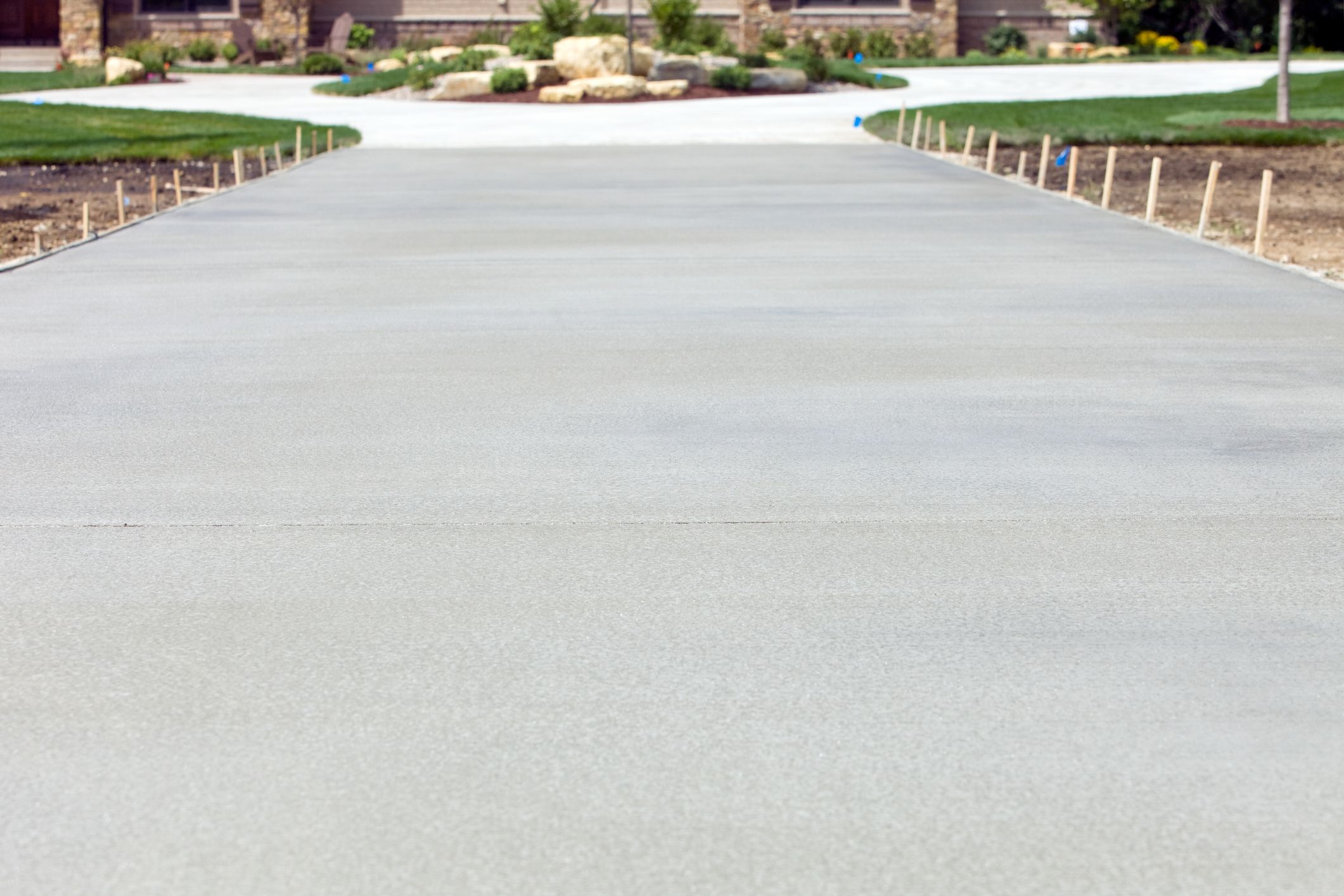
Concrete is one of the most widely used construction materials in both residential and commercial projects. From foundations and driveways to warehouse floors and large-scale infrastructure, concrete plays a critical role in structural integrity and long-term performance.
However, the durability of concrete is not just determined by the material itself it depends heavily on how it is installed. Even the highest-quality concrete can fail prematurely if proper installation techniques are not followed.
For property owners, contractors, and developers in Missouri, understanding the importance of proper concrete installation is essential for ensuring long-lasting results, minimizing maintenance costs, and protecting investments.
Why Proper Concrete Installation Matters
Concrete installation is a detailed process that requires precision, planning, and expertise.
Key Reasons It Matters:
- Ensures structural strength and stability
- Prevents premature cracking and damage
- Extends the lifespan of the surface
- Reduces long-term repair and maintenance costs
Poor installation can lead to issues such as uneven surfaces, water damage, and structural failure problems that are often costly to fix.
The Foundation Site Preparation
Every successful concrete project begins with proper site preparation.
Key Steps in Site Preparation:
- Clearing debris and organic material
- Grading and leveling the ground
- Compacting the soil for stability
- Installing a proper sub-base
A poorly prepared base can lead to settling, cracking, and uneven surfaces over time.
Importance of Proper Concrete Mix Design
The strength and durability of concrete depend on the right mix of materials.
Components of a Strong Mix:
- Cement
- Aggregates (sand and gravel)
- Water
- Admixtures for enhanced performance
The correct mix ensures that the concrete can withstand environmental conditions and heavy loads.
Reinforcement for Structural Strength
Reinforcement is essential for preventing cracks and improving load-bearing capacity.
Common Reinforcement Methods:
- Steel rebar
- Wire mesh
- Fiber reinforcement
These materials help distribute stress evenly and increase the overall durability of the structure.
The Role of Proper Pouring Techniques
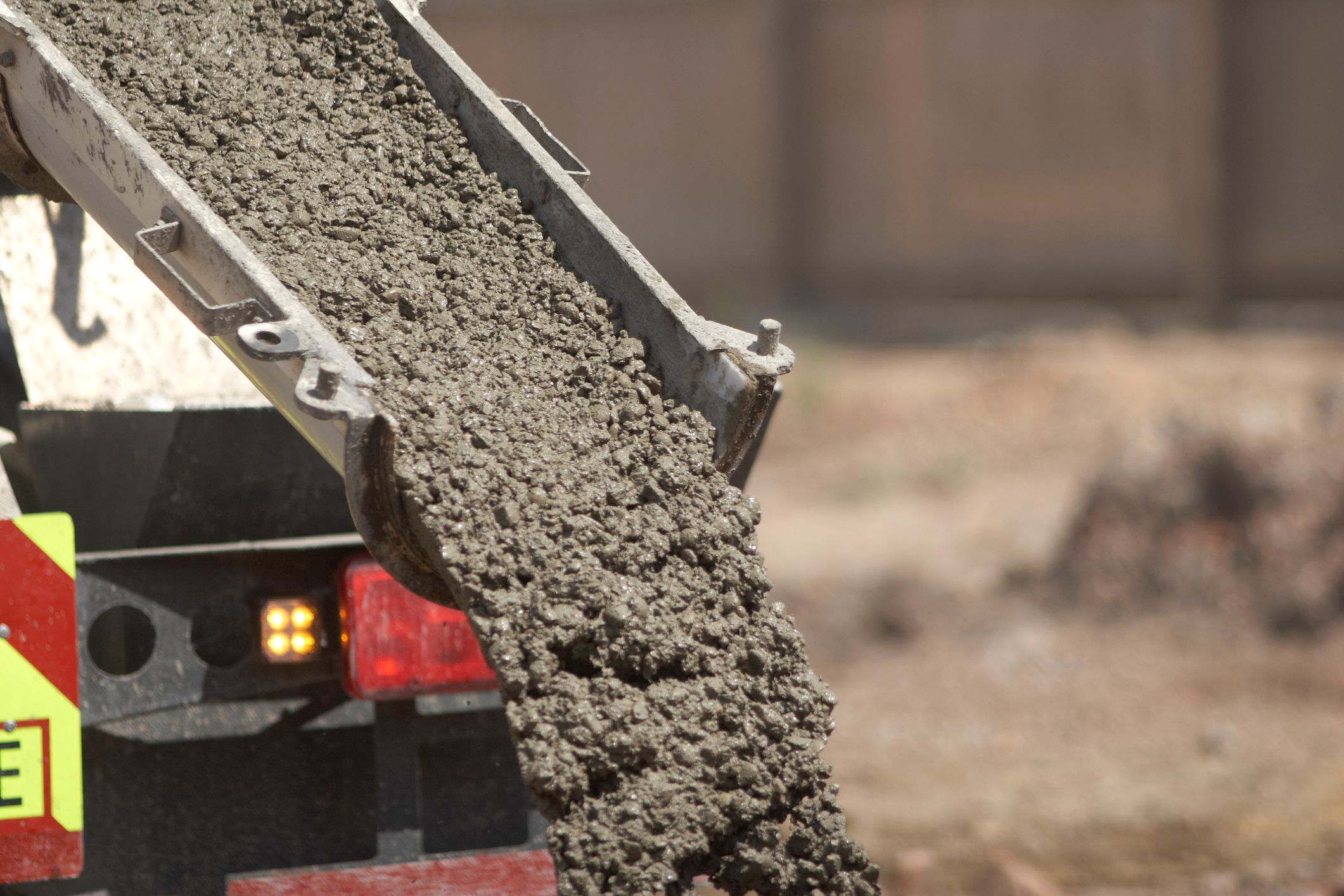
Concrete pouring must be done carefully to avoid defects.
Best Practices:
- Pouring at the right temperature
- Avoiding delays during placement
- Ensuring consistent thickness
Improper pouring can lead to weak spots and reduced structural integrity.
Importance of Finishing Techniques
Finishing affects both the appearance and performance of concrete.
Key Finishing Steps:
- Smoothing the surface
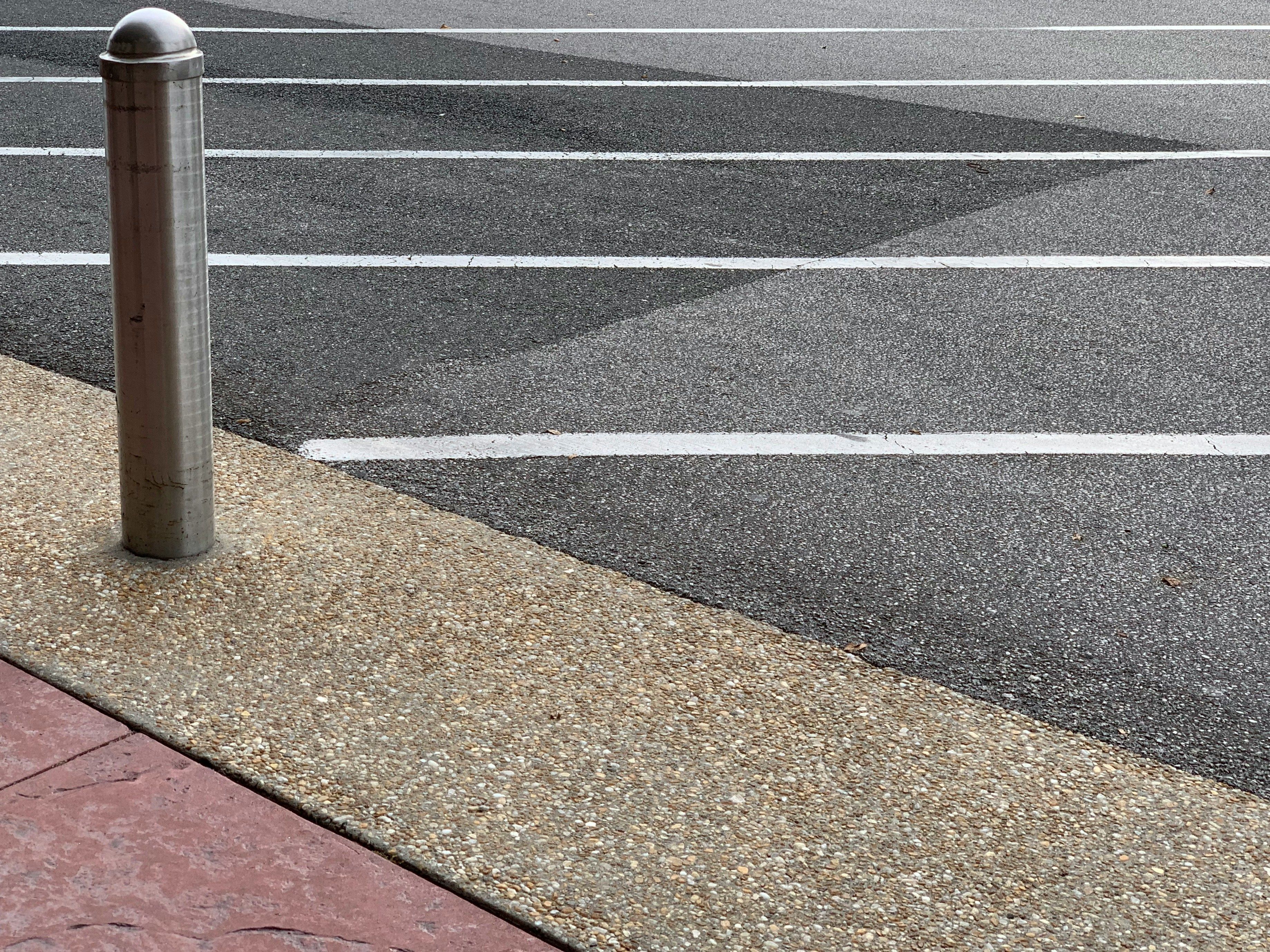
- Applying textures or patterns
- Ensuring proper leveling
For decorative options, explore why stamped and decorative concrete is a smart investment for commercial properties
Curing The Most Critical Step
Curing is often overlooked but is one of the most important steps in concrete installation.
Why Curing Matters:
- Allows concrete to reach its full strength
- Prevents cracking and shrinkage
- Improves durability and longevity
Proper curing involves maintaining moisture and temperature conditions for a specific period.
Weather Conditions and Their Impact
Missouri’s climate can significantly affect concrete installation.
Weather Challenges:
- Extreme heat causing rapid drying
- Cold temperatures slowing curing
- Rain affecting surface quality
Contractors must adjust techniques based on weather conditions to ensure optimal results.
Preventing Common Concrete Problems
Proper installation helps avoid common issues.
Common Problems:
- Cracking
- Scaling
- Spalling
- Uneven surfaces
Addressing these issues during installation reduces the need for future repairs.
Concrete Installation for Commercial Projects
Commercial projects require a higher level of precision and durability.
Key Considerations:
- Heavy load requirements
- High traffic areas
- Long-term performance
For commercial applications, see commercial concrete flooring warehouse
The Cost Benefits of Proper Installation
While proper installation may require a higher upfront investment, it leads to significant cost savings over time.
Long-Term Savings:
- Reduced maintenance costs
- Fewer repairs
- Longer lifespan
Investing in quality installation pays off in the long run.
Enhancing Sustainability Through Proper Installation
Sustainability is becoming increasingly important in construction.
Benefits of Proper Installation:
- Reduces material waste
- Improves energy efficiency
- Extends the life of structures
Learn more about sustainable practices here exploring benefits of concrete for sustainable commercial construction
The Role of Professional Expertise
Concrete installation is not a DIY task it requires skilled professionals.
Why Hire Experts:
- Knowledge of best practices
- Access to specialized equipment
- Ability to handle complex projects
For reliable services, explore expert concrete services
Maintenance After Installation
Even properly installed concrete requires maintenance to ensure longevity.
Maintenance Tips:
- Regular cleaning
- Sealing surfaces
- Prompt repair of minor cracks
Proper maintenance complements good installation practices.
Choosing the Right Concrete Contractor
Selecting the right contractor is crucial for project success.
What to Look For:
- Experience and expertise
- Positive customer reviews
- Proven track record
Working with a trusted contractor ensures high-quality results.
How Proper Installation Enhances Property Value
High-quality concrete installation adds value to any property.
Value Benefits:
- Improved curb appeal
- Increased durability
- Reduced future expenses
This makes it a smart investment for both residential and commercial properties.
Conclusion
Proper concrete installation is the foundation of durable, long-lasting construction. From site preparation and mix design to curing and finishing, every step plays a vital role in determining the performance and lifespan of concrete structures.
In Missouri’s challenging climate, attention to detail and professional expertise are essential for achieving the best results. By investing in proper installation techniques, property owners and developers can ensure strength, durability, and long-term value.
Whether it’s a residential driveway or a large commercial project, the quality of installation makes all the difference. When done right, concrete becomes a reliable and resilient material that stands the test of time.