Concrete is the backbone of modern construction, forming the foundation for residential homes, commercial buildings, warehouses, and infrastructure projects. While concrete is known for its strength and durability, achieving long-lasting results depends heavily on proper planning, preparation, and execution.
Many construction issues such as cracking, uneven surfaces, or structural weaknesses can be traced back to poor planning rather than material failure. That’s why understanding the full scope of a concrete project is essential for contractors, developers, and property owners alike.
This article explores the key steps involved in concrete project planning to ensure durable, high-quality results that stand the test of time.
Why Proper Concrete Planning Matters
Concrete projects require precision at every stage. From site preparation to curing, each step directly impacts the final outcome.
Benefits of Effective Planning:
- Increased structural durability
- Reduced maintenance costs
- Improved project timelines
- Enhanced safety and compliance
- Better overall performance
Without proper planning, even high-quality materials may fail to deliver expected results.
Understanding Different Types of Concrete Projects
Concrete is used across a wide range of applications, each with unique requirements.
Common Project Types Include:
- Foundations for residential and commercial buildings
- Flooring for warehouses and industrial facilities
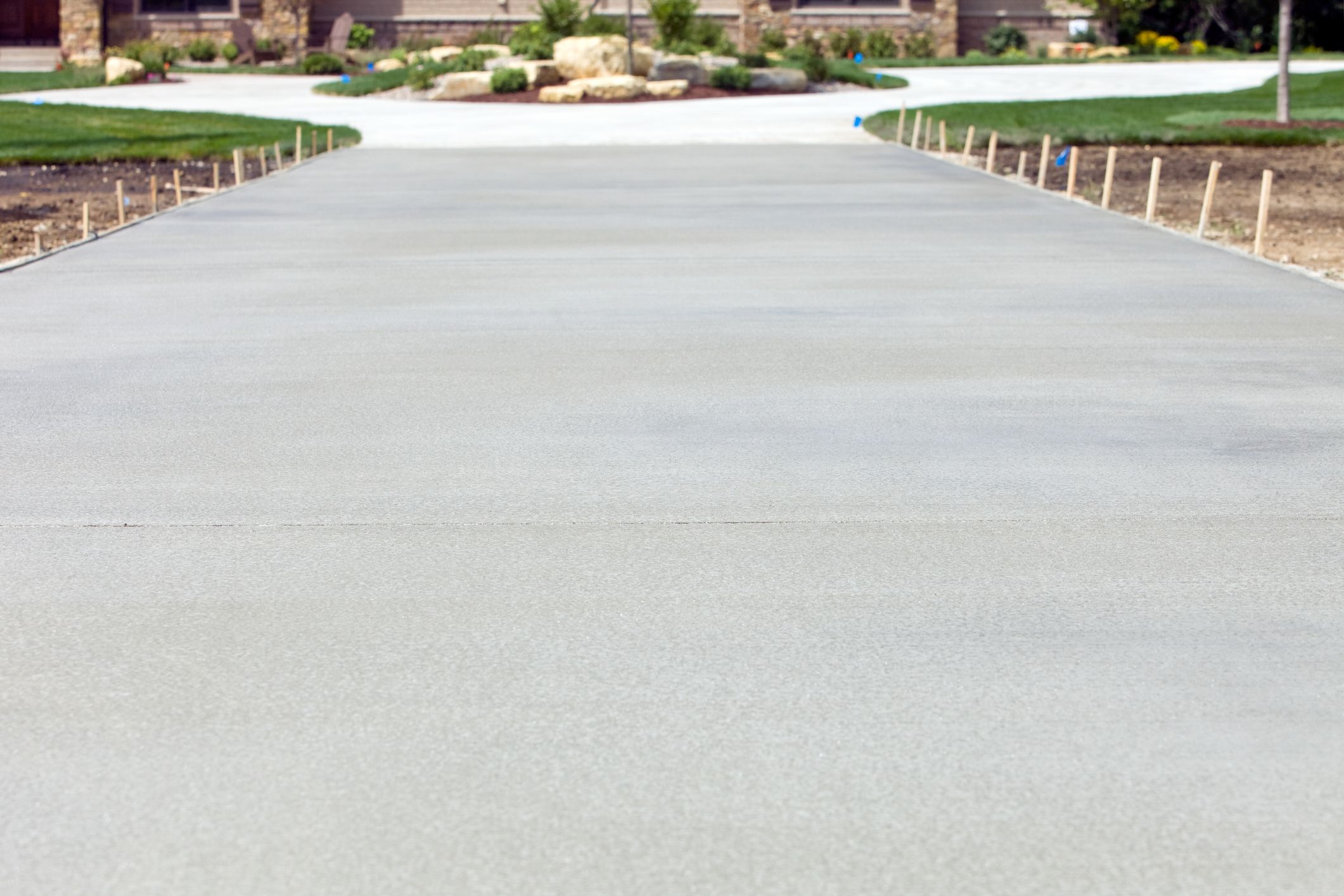
- Driveways and outdoor surfaces
- Decorative and stamped concrete applications
For an overview of commercial applications, explore missouri commercial concrete services
Site Preparation and Soil Evaluation
A strong concrete structure starts with proper site preparation. The condition of the soil plays a major role in determining the stability of the finished structure.
Key Preparation Steps:
- Clearing debris and vegetation
- Grading the site for proper drainage
- Compacting soil to prevent settling
- Conducting soil tests when necessary
Proper preparation ensures a stable base for the concrete.
Choosing the Right Concrete Mix
Not all concrete is the same. Different projects require different mix designs based on strength, durability, and environmental conditions.
Factors to Consider:
- Load-bearing requirements
- Exposure to weather conditions
- Desired finish and appearance
- Setting time and workability
Selecting the right mix is critical for achieving long-lasting results.
Reinforcement for Strength and Stability
Reinforcement adds structural integrity to concrete and helps prevent cracking.
Common Reinforcement Methods:
- Steel rebar
- Wire mesh
- Fiber reinforcement
These elements help distribute loads evenly and improve durability.
Formwork and Layout Accuracy
Formwork defines the shape and dimensions of the concrete structure. Precision at this stage is essential for achieving the desired outcome.
Best Practices:
- Use high-quality form materials
- Ensure proper alignment and leveling
- Secure forms to prevent movement during pouring
Pouring and Placement Techniques
The way concrete is poured and placed affects its strength and finish.
Key Considerations:
- Pouring at the right temperature
- Avoiding delays during placement
- Ensuring even distribution
- Minimizing air pockets
Proper placement ensures uniform strength throughout the structure.
Finishing for Performance and Aesthetics
Finishing determines both the appearance and functionality of the concrete surface.
Common Finishing Techniques:
- Troweling for smooth surfaces
- Broom finishing for slip resistance
- Stamping for decorative designs
For decorative applications, visit why stamped and decorative concrete is a smart investment for commercial properties
Curing for Maximum Strength
Curing is one of the most critical steps in concrete construction. It allows the concrete to gain strength over time.
Effective Curing Methods:
- Keeping the surface moist
- Using curing compounds
- Protecting from extreme temperatures
Proper curing significantly improves durability and reduces cracking.
Avoiding Common Concrete Project Mistakes
Mistakes during any phase of the project can compromise the final result.
Common Mistakes Include:
- Poor site preparation
- Incorrect mix selection
- Inadequate curing
- Lack of reinforcement
Avoiding these errors is essential for long-term performance.
Concrete Solutions for Commercial Projects
Commercial projects require specialized concrete solutions to handle heavy loads and high traffic.
Applications Include:
- Warehouse flooring
- Parking structures
- Industrial foundations
- Structural supports
Learn more in commercial concrete flooring warehouse
Ensuring Long-Term Durability and Maintenance
Concrete structures require proper maintenance to extend their lifespan.
Maintenance Tips:
- Regular inspections
- Sealing surfaces
- Repairing cracks early
- Cleaning to prevent damage
Sustainability in Concrete Construction
Sustainable practices are becoming increasingly important in construction.
Key Strategies:
- Using eco-friendly materials
- Reducing waste
- Improving energy efficiency
- Recycling concrete where possible
Explore more in exploring benefits of concrete for sustainable commercial construction
Working with Experienced Concrete Professionals
Choosing the right contractor is essential for project success.
What to Look For:
- Proven experience
- Strong portfolio
- Knowledge of local conditions
- Commitment to quality
For expert services, visit expert concrete services
Future Trends in Concrete Construction
The concrete industry is evolving with new technologies and innovations.
Emerging Trends Include:
- High-performance concrete mixes
- Smart construction techniques
- Sustainable materials
- Advanced finishing methods
Building a Long-Term Concrete Strategy
A strategic approach ensures consistent quality across projects.
Key Elements Include:
- Planning ahead for future needs
- Investing in quality materials
- Partnering with reliable contractors
- Monitoring project performance
Conclusion
Concrete project planning is essential for achieving durable, long-lasting results in both residential and commercial construction. By focusing on proper preparation, material selection, and execution, contractors can ensure high-quality outcomes that stand the test of time.From foundations to decorative finishes, every step plays a crucial role in the success of a concrete project. With the right approach and expert support, you can build structures that are strong, reliable, and built to last.