Commercial construction projects require materials that can handle heavy use, changing weather conditions, and long-term structural demands. Reinforced concrete has become one of the most trusted building materials for commercial developments because of its durability, strength, and versatility.
From office buildings and warehouses to industrial facilities and retail developments, reinforced concrete plays a critical role in supporting safe and long-lasting structures. In Missouri, where buildings face seasonal temperature shifts, moisture exposure, and high-traffic usage, durable concrete construction is essential for maintaining structural integrity over time.
Modern commercial concrete systems combine advanced engineering with reinforced materials to improve load-bearing capacity, reduce maintenance needs, and support long-term building performance.
What Is Reinforced Concrete?
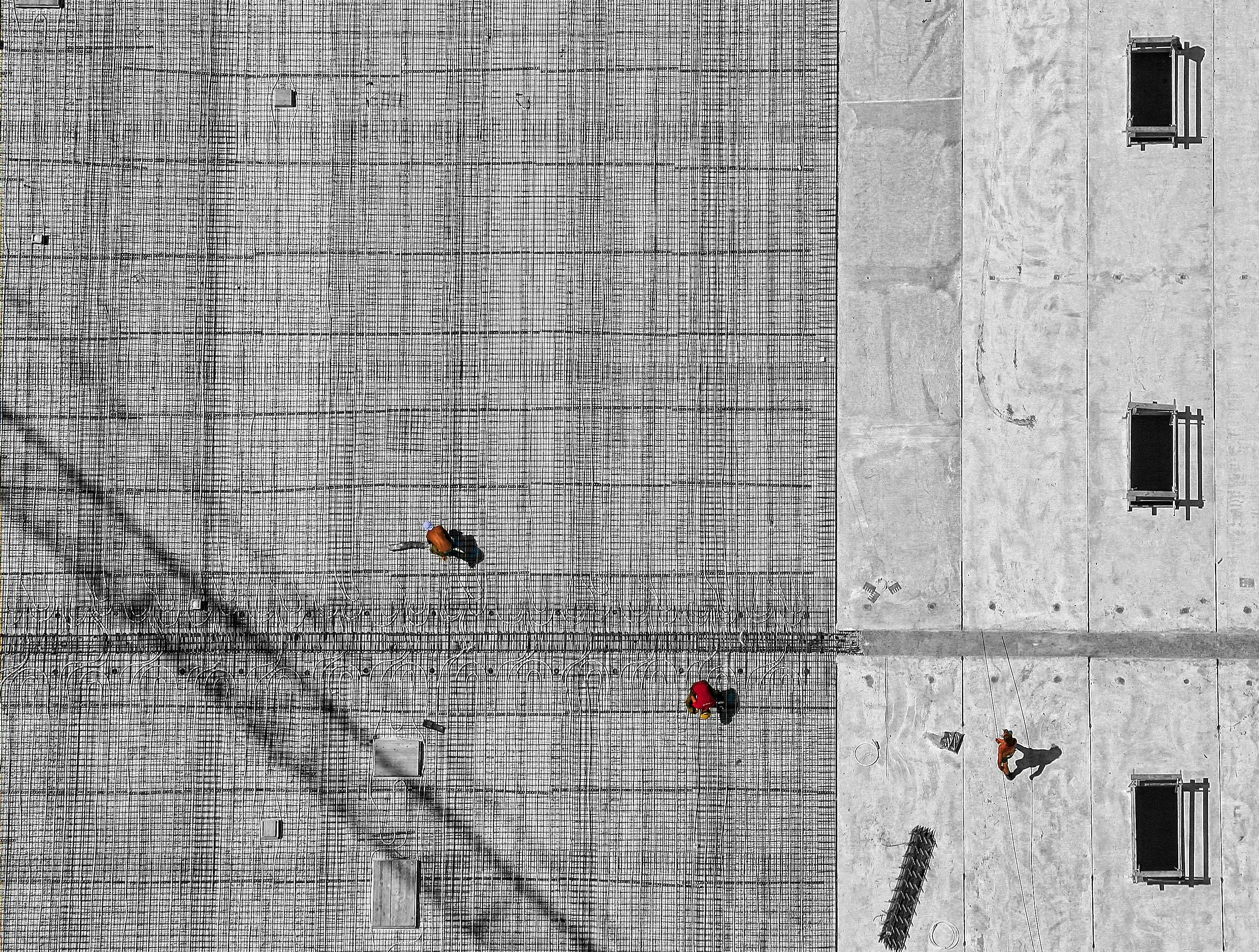
Reinforced concrete is a construction material that combines concrete with steel reinforcement bars, mesh, or fibers. While concrete provides excellent compressive strength, steel reinforcement improves tensile strength and flexibility.
This combination allows reinforced concrete to withstand:
- Heavy structural loads
- Ground movement
- Temperature expansion and contraction
- Vibration and impact
- Environmental stress
The integration of steel reinforcement helps prevent cracking and structural failure while increasing overall building durability.
Commercial construction projects often rely on reinforced concrete for:
- Foundations
- Structural slabs
- Parking structures
- Retaining walls
- Industrial flooring
- Load-bearing walls
- Support columns
These applications require materials capable of maintaining performance under demanding conditions.
Why Durability Matters in Commercial Construction
Durability directly impacts the long-term value and safety of commercial properties. Weak or poorly constructed concrete can lead to costly repairs, structural issues, and operational disruptions.
Durable commercial concrete helps property owners reduce:
- Maintenance costs
- Surface deterioration
- Structural repairs
- Water intrusion problems
- Cracking and settlement
- Downtime caused by repairs
In high-traffic commercial environments, durable construction materials are critical for maintaining safe and functional facilities.
You can also explore how commercial concrete supports long-term project performance in Dependable Concrete Solutions for Residential and Commercial Projects.
Reinforced Concrete Improves Structural Strength
One of the biggest advantages of reinforced concrete is its ability to support substantial structural loads. Steel reinforcement increases the material’s ability to resist tension while maintaining the compressive strength of concrete.
This makes reinforced concrete ideal for:
- Multi-story commercial buildings
- Warehouses
- Manufacturing facilities
- Distribution centers
- Heavy equipment foundations
Large commercial projects often require materials capable of supporting both static and dynamic loads over long periods.
Reinforced systems distribute stress more evenly throughout the structure, reducing the likelihood of structural failure.
Resistance to Missouri Weather Conditions
Missouri weather can create significant challenges for commercial construction materials. Buildings may experience:
- Freeze-thaw cycles
- Heavy rainfall
- Snow and ice exposure
- High summer temperatures
- Moisture fluctuations
Reinforced concrete performs well under these conditions because it provides both strength and environmental resistance.
Properly installed reinforced concrete helps minimize:
- Surface cracking
- Water penetration
- Expansion damage
- Structural weakening
Weather-resistant concrete systems are especially important for exterior surfaces, parking areas, and foundations exposed to changing environmental conditions.
For more insight into weather-related concrete considerations, see Weather Conditions Commercial Concrete Pouring Missouri.
Enhanced Foundation Stability
Commercial foundations must support significant structural weight while resisting soil movement and environmental stress.
Reinforced concrete foundations improve stability by:
- Increasing load-bearing strength
- Reducing settlement risks
- Improving structural alignment
- Supporting long-term durability
Commercial projects often involve complex foundation requirements depending on soil conditions, building size, and intended use.
Strong foundations are critical for maintaining structural performance throughout the life of the building.
Related reading: Commercial Concrete Foundations Missouri.
Better Crack Resistance and Longevity
Concrete naturally experiences minor expansion and contraction due to temperature and moisture changes. Without reinforcement, these movements may lead to cracking over time.
Steel reinforcement helps control cracking by distributing stress more evenly throughout the structure.
This improves:
- Surface stability
- Structural reliability
- Long-term appearance
- Moisture resistance
Reduced cracking also lowers maintenance requirements and helps preserve the professional appearance of commercial properties.
Durable concrete systems are particularly valuable for businesses seeking to minimize operational disruptions caused by repairs or surface deterioration.
Reinforced Concrete Supports Heavy Traffic Areas
Commercial facilities often experience constant vehicle and foot traffic. Warehouses, industrial sites, parking structures, and retail centers require flooring systems capable of handling heavy daily use.
Reinforced concrete performs well in high-traffic environments because it resists:
- Surface wear
- Impact damage
- Compression stress
- Equipment loads
Industrial flooring systems commonly use reinforced concrete to support forklifts, storage racks, and heavy machinery.
Warehouse operations especially benefit from strong, level concrete surfaces that maintain durability under continuous use.
You can learn more in Commercial Concrete Flooring Warehouse.
Fire Resistance Improves Building Safety
Fire resistance is another important advantage of reinforced concrete. Concrete does not burn, melt, or release toxic fumes under high temperatures.
This makes reinforced concrete a safer construction material for:
- Industrial buildings
- Warehouses
- Office complexes
- Commercial facilities
Steel reinforcement protected within concrete also maintains structural integrity longer during fire exposure compared to exposed steel structures.
Improved fire resistance can enhance building safety and support compliance with commercial construction standards.
Reduced Long-Term Maintenance Costs
Durable construction materials help reduce the overall cost of property ownership. Reinforced concrete requires less frequent maintenance compared to many alternative building materials.
Long-term benefits include:
- Lower repair costs
- Fewer structural issues
- Reduced resurfacing needs
- Improved moisture resistance
- Extended service life
Property owners often prioritize reinforced concrete because of its ability to maintain performance with minimal ongoing maintenance.
For commercial facilities operating on tight schedules, reducing repair-related downtime can provide significant operational advantages.
Decorative and Functional Versatility
Reinforced concrete is not limited to structural applications. Modern concrete systems can also enhance the appearance of commercial properties through decorative finishes and custom designs.
Popular options include:
- Stamped concrete
- Polished concrete
- Colored concrete
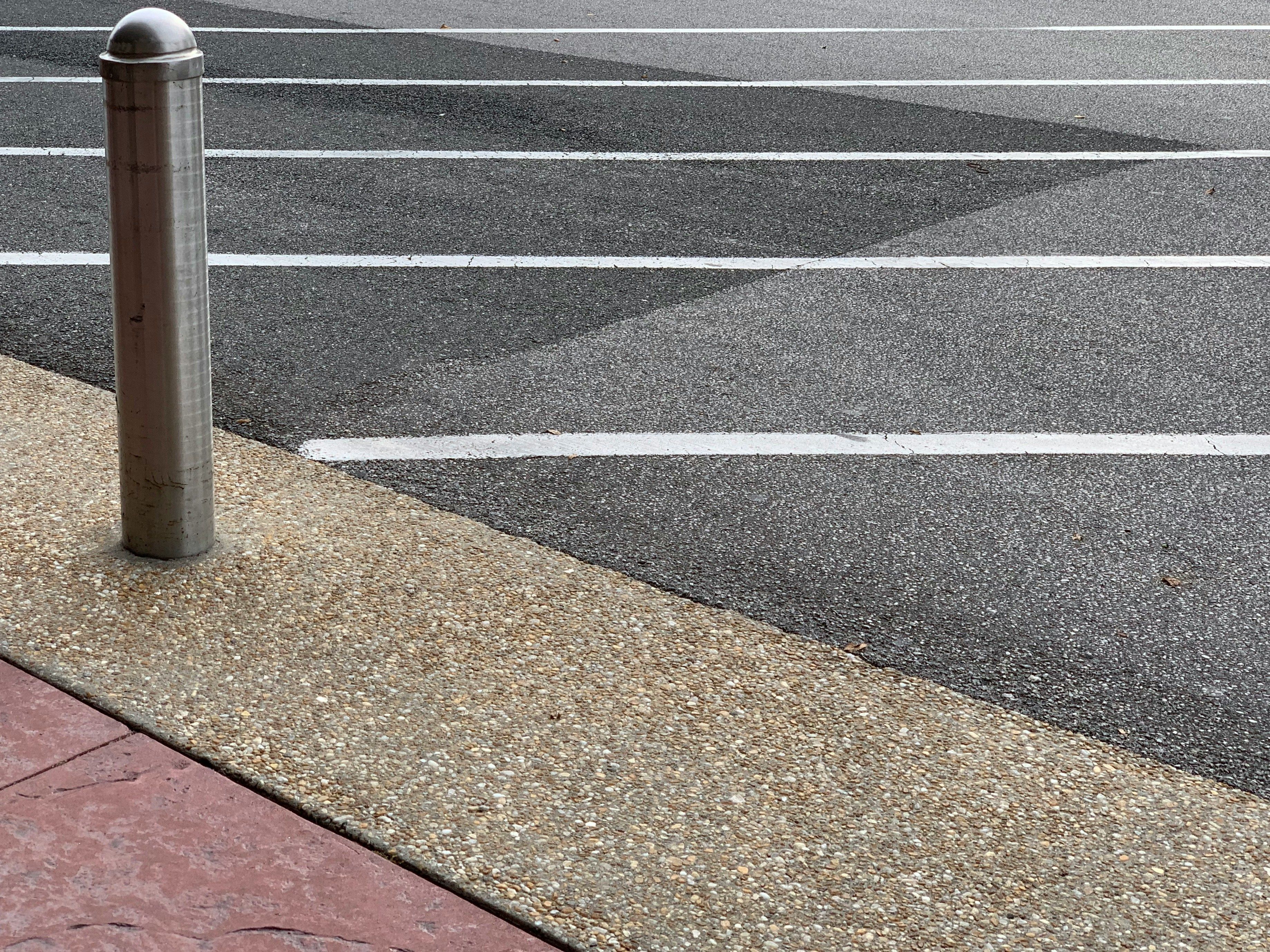
- Exposed aggregate finishes
- Decorative walkways
This versatility allows businesses to combine durability with aesthetic appeal.
Decorative concrete surfaces can improve curb appeal while maintaining the long-term strength needed for commercial environments.
Related reading: Why Stamped and Decorative Concrete Is a Smart Investment for Commercial Properties.
Sustainability Benefits of Reinforced Concrete
Sustainability continues becoming more important in commercial construction. Reinforced concrete supports sustainable building practices through its long lifespan and energy-efficient properties.
Benefits include:
- Reduced replacement frequency
- Lower material waste
- Improved thermal efficiency
- Recyclable components
- Long-term structural performance
Durable materials reduce the environmental impact associated with repairs and reconstruction.
Many modern commercial projects now prioritize sustainable construction methods that improve both operational efficiency and long-term environmental performance.
You can explore additional sustainability advantages in Exploring Benefits of Concrete for Sustainable Commercial Construction.
Importance of Professional Concrete Installation
Even the highest-quality reinforced concrete depends on proper installation techniques. Professional contractors ensure that reinforcement systems, concrete mixtures, curing methods, and finishing processes meet project requirements.
Experienced commercial concrete contractors help manage:
- Site preparation
- Reinforcement placement
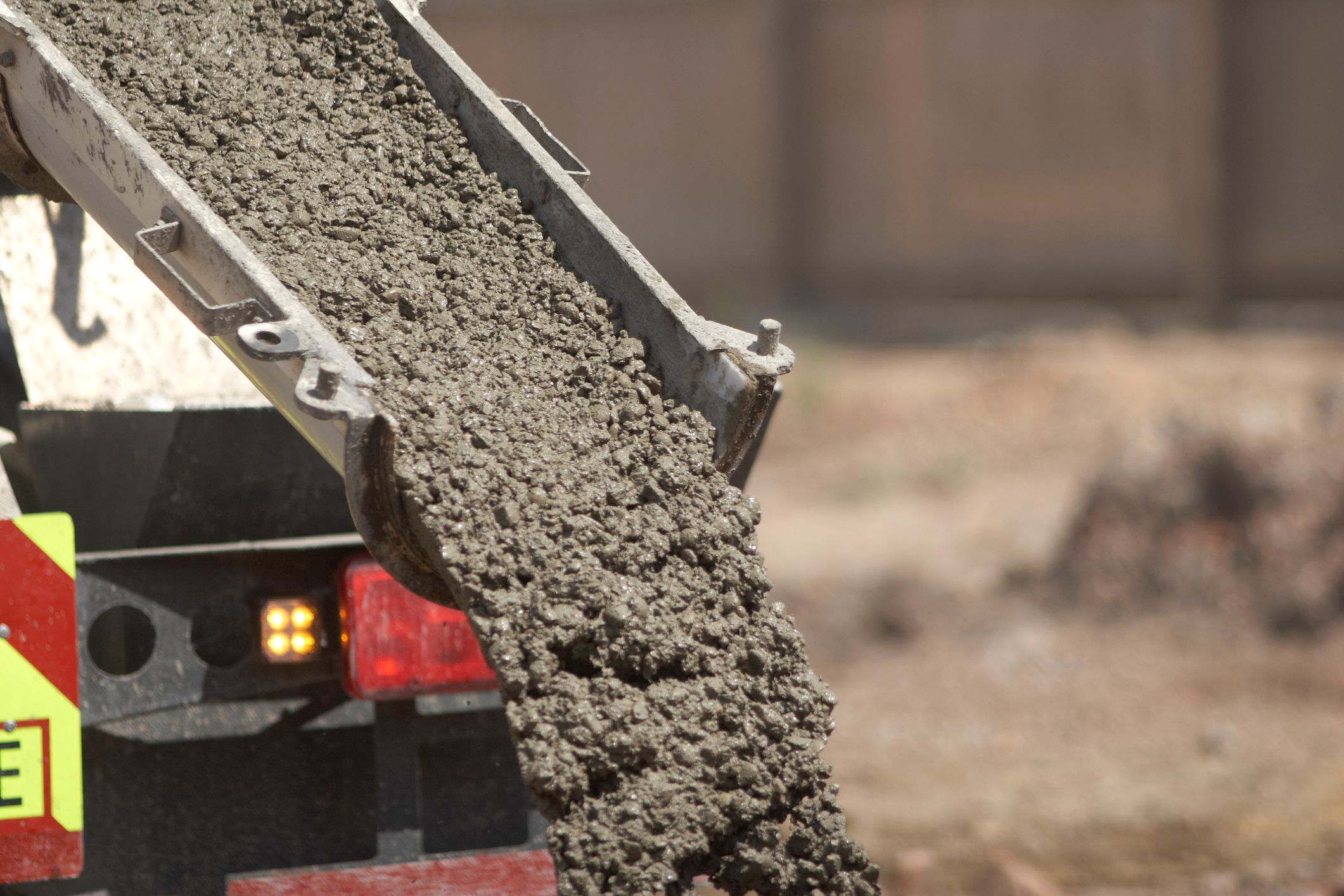
- Concrete pouring
- Surface finishing
- Expansion joint installation
- Curing procedures
Poor installation practices can weaken structural performance and reduce long-term durability.
Commercial property owners often benefit from working with experienced concrete specialists familiar with local building conditions and commercial project demands.
For additional information, visit Commercial Concrete Contractor Missouri.
Reinforced Concrete and Property Value
Durable commercial construction materials can positively influence property value over time. Reinforced concrete structures often maintain better long-term condition and require fewer major repairs.
This can improve:
- Tenant appeal
- Property marketability
- Operational efficiency
- Long-term investment value
Commercial buyers and investors frequently prioritize buildings constructed with durable materials capable of supporting long-term use.
Strong concrete infrastructure also contributes to safer and more reliable building performance.
Related reading: Concrete Projects Home Value Missouri.
The Future of Reinforced Concrete in Commercial Construction
Concrete technology continues evolving to improve strength, sustainability, and efficiency.
Future innovations may include:
- Fiber-reinforced concrete systems
- Self-healing concrete
- Carbon-reducing concrete mixtures
- Advanced curing technologies
- Smart monitoring systems
These developments aim to improve structural performance while supporting more sustainable commercial construction practices.
As commercial projects become more complex, reinforced concrete will continue playing a central role in modern building design and infrastructure development.
Final Thoughts
Reinforced concrete remains one of the most reliable materials for commercial construction because of its durability, strength, and long-term performance. From foundations and industrial flooring to decorative surfaces and structural systems, reinforced concrete supports a wide range of commercial building needs.
In Missouri, where weather conditions and heavy usage place constant demands on commercial properties, durable concrete construction helps reduce maintenance costs, improve safety, and extend building lifespan.
By combining professional installation practices with high-quality reinforced concrete systems, commercial property owners can create stronger, more resilient structures built to perform for decades.