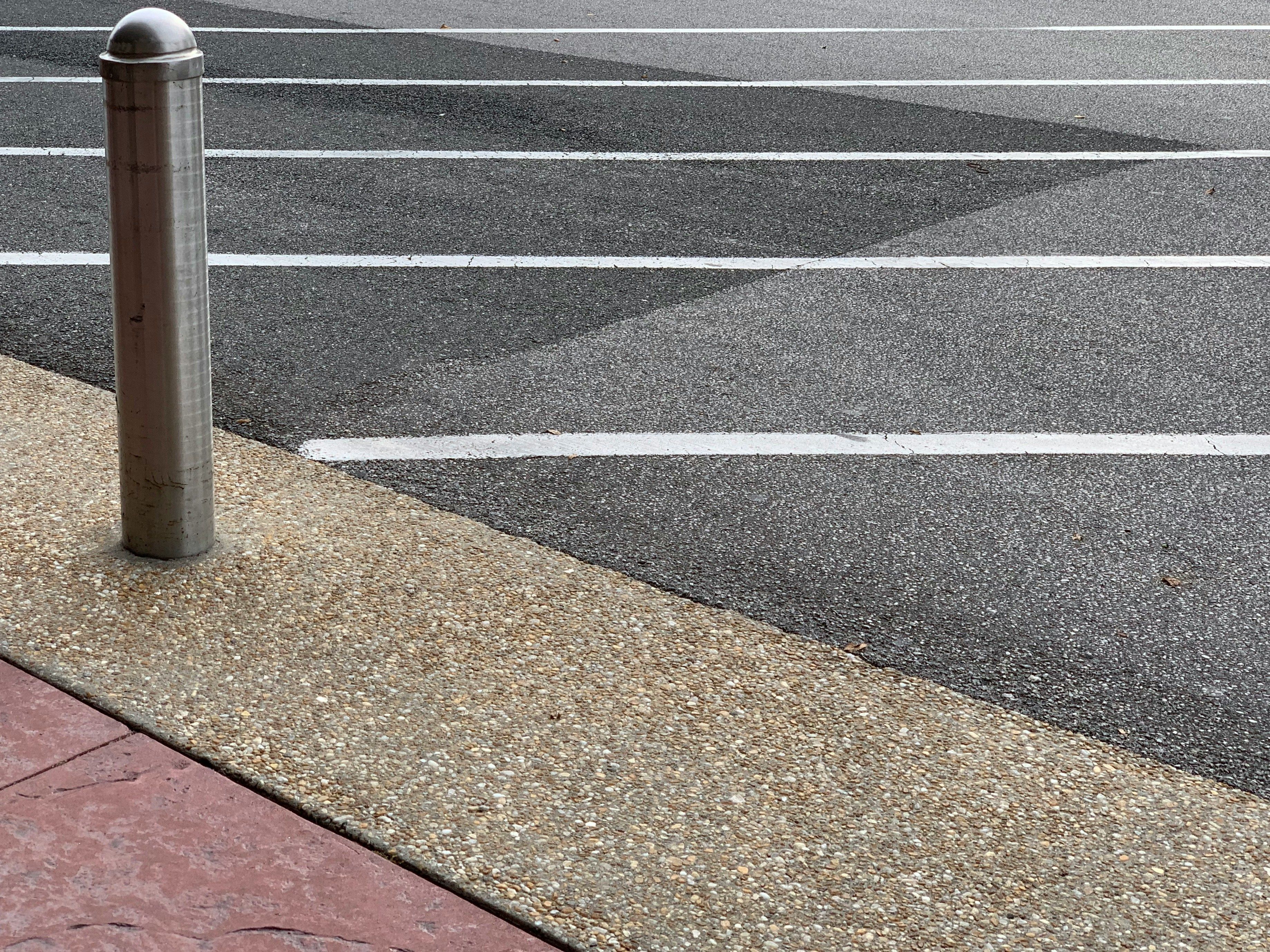
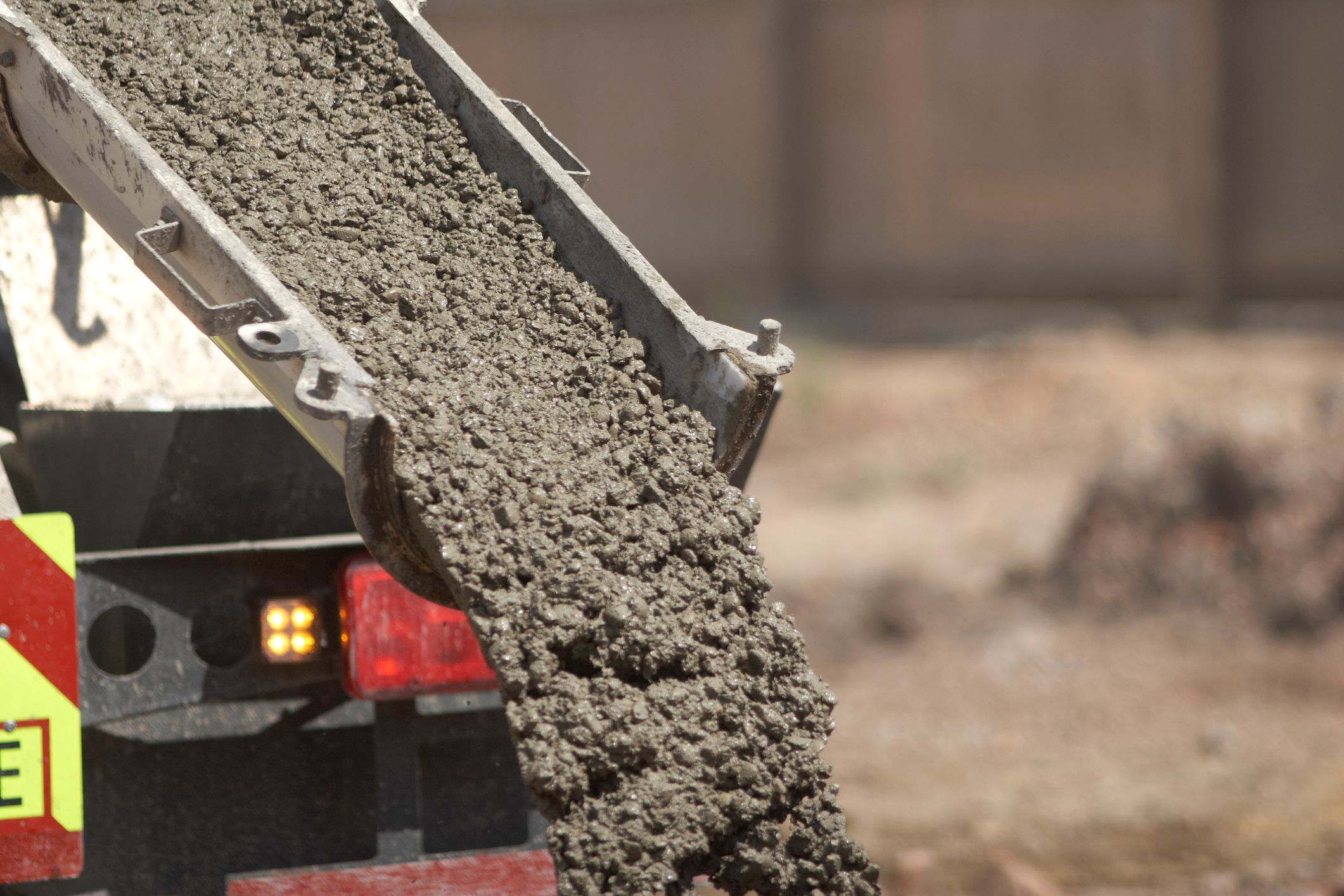
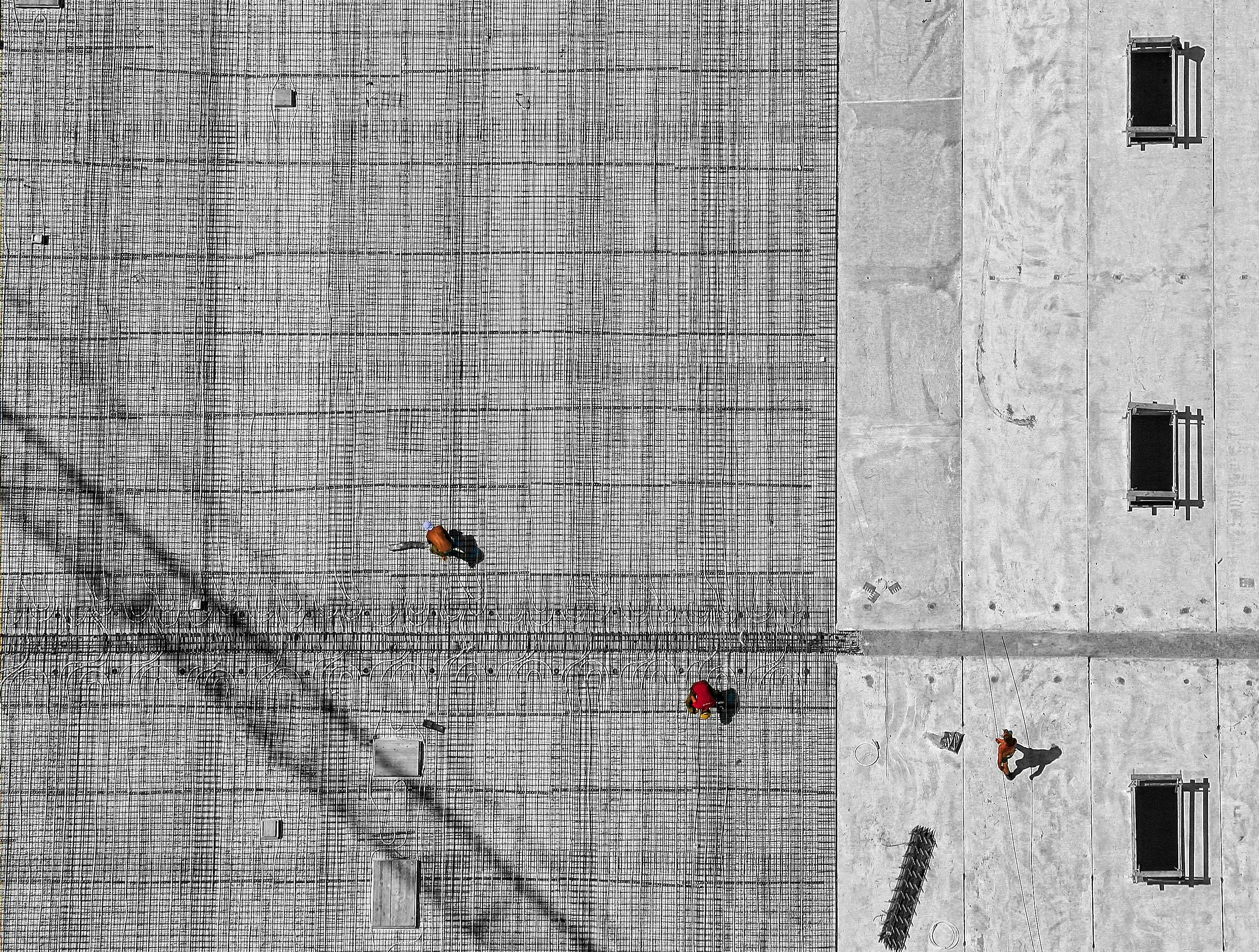
A commercial parking lot or driveway is rarely the most glamorous part of a business property, but it is almost always the first thing customers, tenants, and visitors interact with. Before anyone enters a building, they have already driven across or parked on your pavement. Its condition sends a message about the business behind it and its structural integrity determines whether that first impression holds up for years or begins to crack and crumble within a few seasons.
In Missouri, the decision to build a commercial parking surface in concrete rather than asphalt carries long-term consequences that extend far beyond the initial pour. The state's climate hot, humid summers followed by cold winters with freeze-thaw cycles puts pavement under real stress every year. When concrete is designed, placed, and finished correctly for these conditions, it can perform reliably for 30 to 40 years with minimal intervention. When it is not, problems appear well ahead of schedule and cost significantly more to address than the upfront savings that led to them.
This guide covers the key decisions that determine how a commercial concrete parking lot or driveway performs over its full service life in Missouri, from base preparation and mix design through joint placement, finishing, and long-term care.
Why Concrete Outperforms Asphalt for High-Traffic Commercial Applications
Missouri business owners evaluating pavement options often default to asphalt because the initial installation cost per square foot tends to be lower. That comparison, however, leaves out the lifecycle costs that accumulate over time and for high-traffic commercial sites, those costs are where the real difference appears.
Asphalt softens in summer heat, which is significant in Missouri where surface temperatures on blacktop can reach 150°F or higher on a mid-summer afternoon. Under heavy vehicle loads delivery trucks, waste collection vehicles, or frequent passenger traffic hot asphalt is susceptible to rutting, shoving, and surface deformation. It also requires regular sealcoating every two to three years and periodic milling and overlay to maintain structural integrity.
Concrete does not soften under heat. Its rigidity distributes loads across a wider area, which reduces stress on the subgrade and allows the pavement to carry heavier vehicles without deformation. Over a 30-year period, a well-constructed concrete parking lot typically requires significantly less maintenance investment than asphalt covering the same area, even accounting for the higher initial cost.
For businesses with high delivery frequency, heavy equipment access, or significant daily traffic volume — warehouses, manufacturing facilities, retail centers, restaurants the lifecycle advantage of concrete is especially pronounced. The same structural strength that makes concrete the preferred choice for commercial concrete foundations in Missouri is what makes it the smarter long-term investment for parking and traffic surfaces as well.
The Base Preparation That Determines Long-Term Performance
No concrete pavement performs better than the base it is built on. This is one of the most important and most frequently underestimated factors in commercial parking lot construction. A concrete slab poured over an improperly prepared subgrade will develop problems regardless of how well the concrete itself is mixed or finished.
Missouri's soils vary considerably across regions. Clay-heavy soils common in much of the state are particularly problematic for pavement because they expand when wet and contract when dry, creating movement beneath the slab that generates cracking and differential settlement over time. Sandy or silty subgrades can also be unstable if they are not properly compacted and graded before base materials are placed.
A proper commercial parking lot base installation begins with subgrade evaluation. Soft or unstable soils may need to be removed and replaced with engineered fill, or stabilized with lime or cement treatment before aggregate base is placed. The goal is to create a uniform, stable platform that does not shift or settle unevenly under load.
On top of a stable subgrade, a compacted aggregate base typically crushed limestone gravel in Missouri is placed and graded to the correct depth for the application. Passenger vehicle lots commonly use four to six inches of compacted base. Areas that will carry heavy trucks, delivery vehicles, or dumpsters require additional depth, often eight inches or more, and may need heavier concrete thickness as well.
Drainage is integral to base design. Water that collects beneath or adjacent to a concrete slab accelerates freeze-thaw damage and can weaken the subgrade over time. Grade should be established to direct water away from the slab, and edge drainage provisions should be incorporated into the design where surface grades make this challenging.
This level of site preparation is foundational and it's the same disciplined approach that drives durable results in every type of concrete work, as described in our guide to dependable concrete solutions for residential and commercial projects.
Concrete Mix Design for Missouri's Climate
Missouri's freeze-thaw cycles are one of the most significant durability challenges for commercial concrete pavement. Water infiltrates the surface and the joints of a concrete slab, and when temperatures drop below freezing, that water expands. Over repeated freeze-thaw cycles, this expansion causes scaling, spalling, and cracking especially in concrete that was not designed with winter durability in mind.
Air entrainment is the primary defense against freeze-thaw damage in concrete pavement. Air-entrained concrete contains microscopic air bubbles intentionally introduced into the mix that provide pressure relief when water freezes. For Missouri commercial parking applications, air content typically ranges from five to seven percent, and this specification should be confirmed for every pour.
Water-to-cement ratio is equally critical. Concrete with a low water-to-cement ratio is denser, less permeable, and more resistant to water infiltration which directly reduces the amount of moisture available to cause freeze-thaw damage. A maximum water-to-cement ratio of 0.45 is commonly specified for exterior concrete pavement exposed to deicing chemicals, which are widely used on Missouri commercial properties through the winter months.
Compressive strength for commercial parking lots typically targets 4,000 PSI minimum, with heavier-duty applications often specifying 4,500 PSI or higher. Strength alone, however, does not guarantee durability. A concrete mix can achieve adequate strength while still being vulnerable to surface scaling if air entrainment is insufficient or if the water-to-cement ratio is too high.
The interaction between mix design and the durability of finished concrete is a theme that runs through every type of commercial concrete work from slabs to foundations. Our article on 5 key benefits of choosing commercial concrete foundations explores how material quality translates into long-term structural performance across different applications.
Slab Thickness and Reinforcement for Commercial Use
Slab thickness is determined by the loads the pavement must carry, not by what is cheapest to pour. Undersized slabs for the application are one of the leading causes of premature commercial parking lot failure in Missouri, particularly on sites that receive truck traffic or heavy deliveries.
Standard guidance for passenger vehicle parking areas is a minimum slab thickness of five to six inches. Areas subject to regular heavy truck traffic loading docks, delivery zones, dumpster pads, and service access routes should be designed at eight inches or greater. When very heavy equipment will access the site periodically, structural engineering review may be appropriate to confirm that thickness and subgrade specifications are adequate.
Reinforcement adds crack control and helps hold slab panels together if cracking does occur, but it does not prevent cracking altogether. The primary crack control strategy in concrete pavement is proper joint design and placement. Reinforcement typically welded wire mesh or rebar, depending on the application, works in conjunction with joints rather than as a substitute for them.
Fiber reinforcement added to the concrete mix improves early crack resistance during curing and can reduce plastic shrinkage cracking in flatwork applications. It is commonly used in commercial parking lots as a cost-effective complement to traditional reinforcement.
Joint Design The Detail That Most Affects Crack Control
Concrete cracks. This is not a sign of failure it is a material property. Concrete shrinks as it cures, and it expands and contracts with temperature changes throughout its service life. The purpose of joint design in commercial concrete pavement is not to prevent cracking entirely but to control where cracking occurs and keep it from progressing in ways that compromise the slab's function or appearance.
Contraction joints (also called control joints) are saw-cut or tooled into the slab at regular intervals to create planned weak points where cracking is directed below the surface in a controlled, tight pattern. In parking lots, contraction joints are typically spaced at intervals no greater than 10 to 15 feet in each direction, depending on slab thickness and mix characteristics. Wider panel spacing increases the risk of mid-panel cracking.
Isolation joints separate the parking slab from adjacent structures curbs, building walls, columns, and utility structures allowing independent movement between elements that may settle or move differently over time. Without isolation joints, differential movement transfers stress into the slab and generates cracking at connection points.
Expansion joints accommodate thermal expansion and are typically placed at longer intervals than contraction joints. In Missouri's climate, where temperature swings from summer to winter can exceed 100°F, thermal movement in large concrete surfaces is significant, and expansion accommodation must be built into the design.
Joint sealants should be installed after curing and maintained over the life of the pavement. Properly sealed joints prevent water, sand, and debris from infiltrating and either freezing within the joint or causing point loading on joint edges under traffic.
How Missouri Weather Affects Concrete Placement Timing
Concrete placement in Missouri is constrained at both ends of the temperature spectrum. Cold weather and hot weather each require adjustments to protect the concrete during its critical early curing period.In cold weather broadly defined as when ambient temperatures are below 40°F or expected to drop below 40°F within 24 hours of placement freshly placed concrete must be protected from freezing before it achieves sufficient strength. Concrete that freezes early sustains internal damage that permanently reduces its strength and durability. Cold weather measures include heating the mix water, using accelerating admixtures, covering the slab with insulating blankets, and in some cases providing heated enclosures over the work area.
In hot weather temperatures above 90°F with direct sun, low humidity, or wind evaporation from the concrete surface can outpace bleed water, causing plastic shrinkage cracking before the surface has set. Hot weather measures include pre-wetting the subgrade, chilling the mix water or aggregates, placing concrete during cooler parts of the day where scheduling allows, and using evaporation retarder and curing compounds immediately after finishing.
Missouri's shoulder seasons spring and fall offer the most favorable placement conditions and are often preferred for large commercial pours when scheduling allows. Regardless of season, proper curing after placement is non-negotiable. Curing maintains moisture in the concrete during the strength gain period and directly affects the final durability and surface quality of the finished pavement.
Finishing and Surface Texture for Commercial Parking Surfaces
Commercial concrete parking lots and driveways require a surface texture that balances traction, durability, and drainage. A broom finish created by dragging a brush across the freshly placed surface is the standard for most commercial exterior concrete because it provides reliable slip resistance in wet conditions and is durable under tire traffic.
The direction and coarseness of the broom pattern affects drainage and appearance. Transverse broom finishes (perpendicular to traffic direction) are preferred for driveways and drive aisles because they channel water off the surface effectively. Lighter broom textures are used where a cleaner appearance is a priority, though they require more attention to the quality of the underlying finishing work.
Exposed aggregate finishes offer an attractive alternative for high-visibility areas, entrance drives, and pedestrian zones within commercial parking areas. The texture provides excellent traction and a professional appearance that complements quality commercial landscaping. While exposed aggregate requires more skilled finishing work, it holds up well under Missouri weather when the concrete mix and surface treatment are properly executed.
Both options are fundamentally different from the decorative concrete applications used in hospitality, retail, and entertainment contexts. Where visual impact is a commercial priority for walkways, plazas, and exterior gathering areas, the choices available expand considerably — as covered in our article on why stamped and decorative concrete is a smart investment for commercial properties.
Planning for ADA Compliance in Commercial Parking Areas
Commercial parking facilities in Missouri must meet ADA accessibility requirements, which govern the number of accessible spaces required, their dimensions, surface slope, and the path of travel from parking to building entrances. These requirements apply to new construction and to alterations that affect the usability of parking areas.
Accessible parking spaces require a minimum width of eight feet for standard accessible spaces and eleven feet for van-accessible spaces, with an adjacent access aisle. Surface slope within accessible spaces and access aisles must not exceed 1:48 (2%) in any direction. Route surfaces must be stable, firm, and slip-resistant — requirements that well-finished concrete naturally satisfies.
Including ADA provisions in the design before construction begins is significantly less expensive than retrofitting after the fact. Planning accessible routes and space dimensions during layout allows the concrete work to be executed in a single continuous operation rather than requiring later additions.
Long-Term Care That Extends Pavement Service Life
A commercial concrete parking lot is a significant capital investment, and like all infrastructure, it performs best when basic maintenance is performed consistently rather than deferred until problems become serious.
Joint sealant should be inspected annually and reapplied wherever it has deteriorated, cracked, or pulled away from the joint faces. Unsealed joints allow water infiltration that accelerates freeze-thaw damage at the joint edges and can soften the subgrade beneath the slab.
Surface scaling or spalling caught early before it extends below the surface mortar layer can often be stabilized with penetrating sealers that reduce water infiltration. Once spalling extends deeper into the slab, repair becomes more involved.
Cracks that develop mid-panel should be cleaned, evaluated for whether they are actively moving, and sealed to prevent water infiltration. Routing and sealing is the standard repair approach for non-structural surface cracks. Structural cracks full-depth cracks with significant differential movement between panels require evaluation by a concrete professional to determine whether repair or partial replacement is the appropriate response.
The principles that drive long-term commercial concrete performance are consistent across all applications. Our coverage of commercial concrete maintenance strategies for long-lasting infrastructure in Missouri provides a broader framework for maintaining all concrete assets across a commercial property.
Working With the Right Concrete Contractor in Missouri
The quality of a commercial concrete parking lot is determined far more by the contractor who builds it than by the specifications written for it. An experienced contractor understands Missouri soil conditions, knows how to adjust for seasonal placement challenges, sequences the work to maintain quality across large pours, and has the equipment and crew to execute finishing and joint work consistently before the concrete sets.
Questions worth asking before hiring a commercial concrete contractor include: how do they handle cold or hot weather pours, what mix design will they use and who supplies the ready-mix, how do they space and saw-cut joints, and can they provide references from comparable commercial parking projects in the region.
Missoury Concrete brings Missouri-specific expertise to every commercial parking and driveway project understanding that durable pavement here requires attention to freeze-thaw design, proper base preparation for Missouri's variable soils, and the finishing standards that hold up through decades of seasonal cycling. Contact our team to discuss your project and get a straightforward assessment of what it will take to build it right.